Context Engineering
Deciding what goes into an LLM's context window: context limits, context rot, compaction and summarization, prompt caching and agentic context management.
A larger context window does not make an agent smarter; it makes the cost of a bad context larger. Models lose track of facts buried in the middle of long prompts, and a context that grows without pruning degrades on its own while the bill for every token keeps rising. Context engineering is the discipline of choosing what the model sees on each turn and throwing away what it no longer needs.
These articles look at long-context behaviour, compaction and summarization strategies, prompt caching and the case for treating context as something an agent manages rather than something it accumulates. For the difference between remembering across sessions and managing a single window, start with the comparison linked below.
Start here: Memory vs context windows · Context engineering (glossary) · Context rot (glossary) · Prompt caching (glossary)
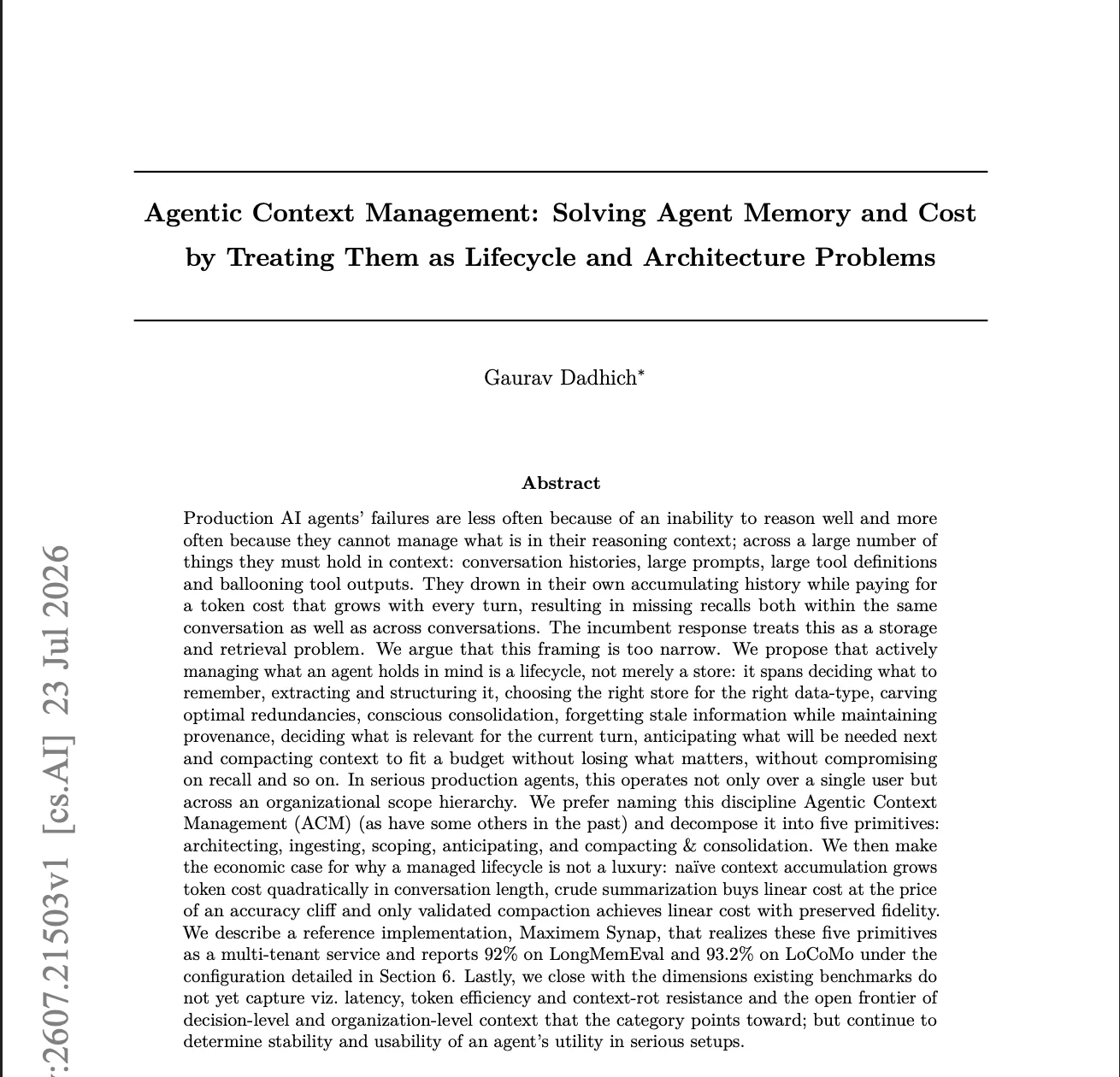
Agentic Context Management: Agent Memory Is Not Merely a Storage & Retrieval Problem, It Is an Architecture Problem
We argue in our latest paper, that agent memory and cost is a lifecycle and architecture problem
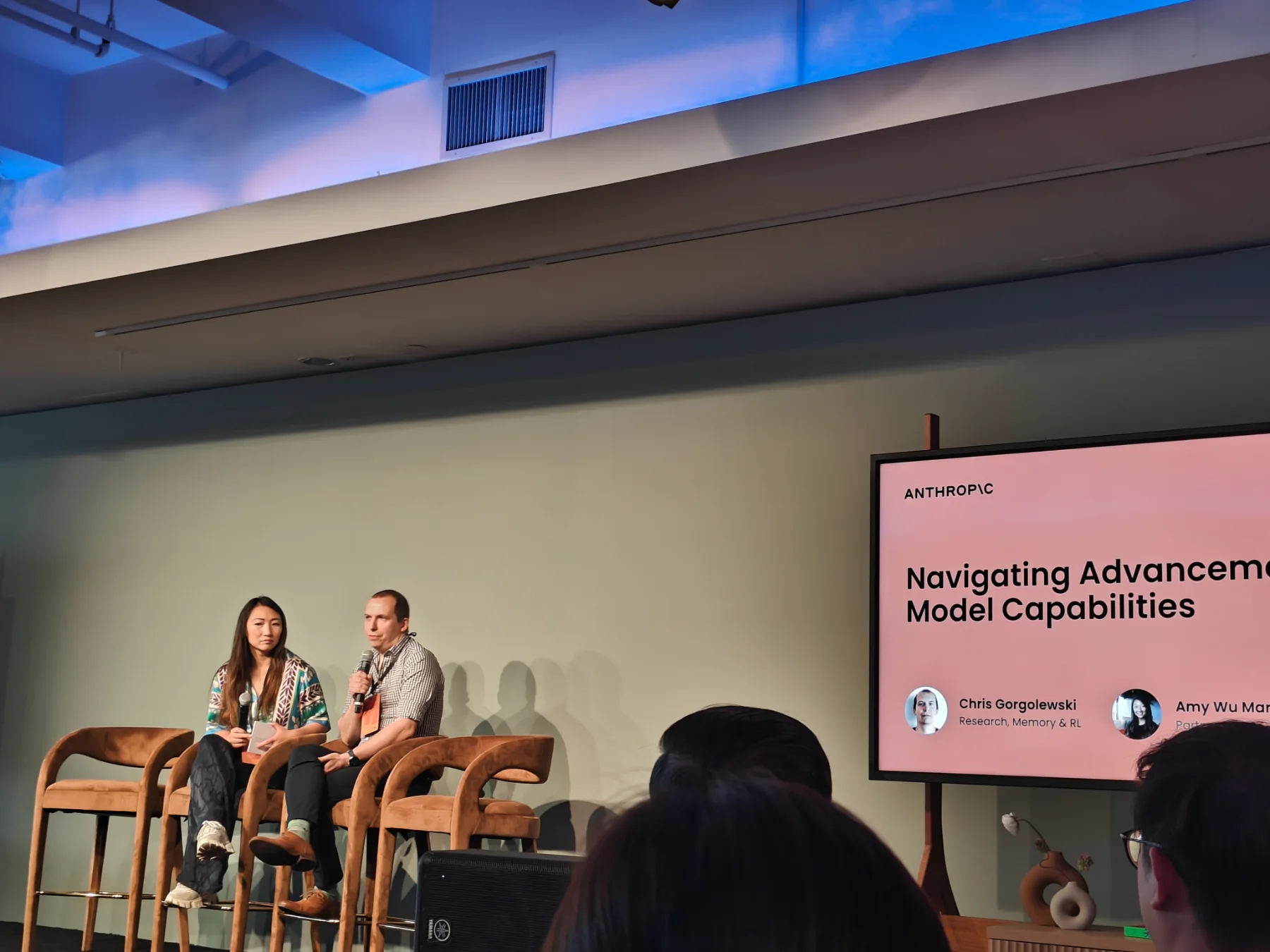
An Anthropic Leader Told a Room of Founders to Stop Worrying About Context Windows. Here's the catch
An Anthropic researcher told a room of founders to stop worrying about context windows. Here is the question I did not get to ask, and why a bigger window solves short-term memory with bad tradeoffs and does nothing for long-term memory.
What Is Agentic Context Management?
Agentic context management is how you orchestrate what information your AI agents see and when. Learn why it's critical infrastructure, not a feature, and how to architect it properly.