AI Agent Memory · Page 3
How AI agents remember across sessions: long-term memory architectures, memory platforms and their alternatives, memory vs RAG, and why assistants forget.
Pydantic AI Memory: How to Add Memory to an Agent
Pydantic AI core has no memory store: an agent remembers only the messages you pass back through message_history, and storing them is your job. Synap adds per-user memory through typed dependencies and two tools, at 95.6% LongMemEval, 93.2% on LoCoMo accuracy.
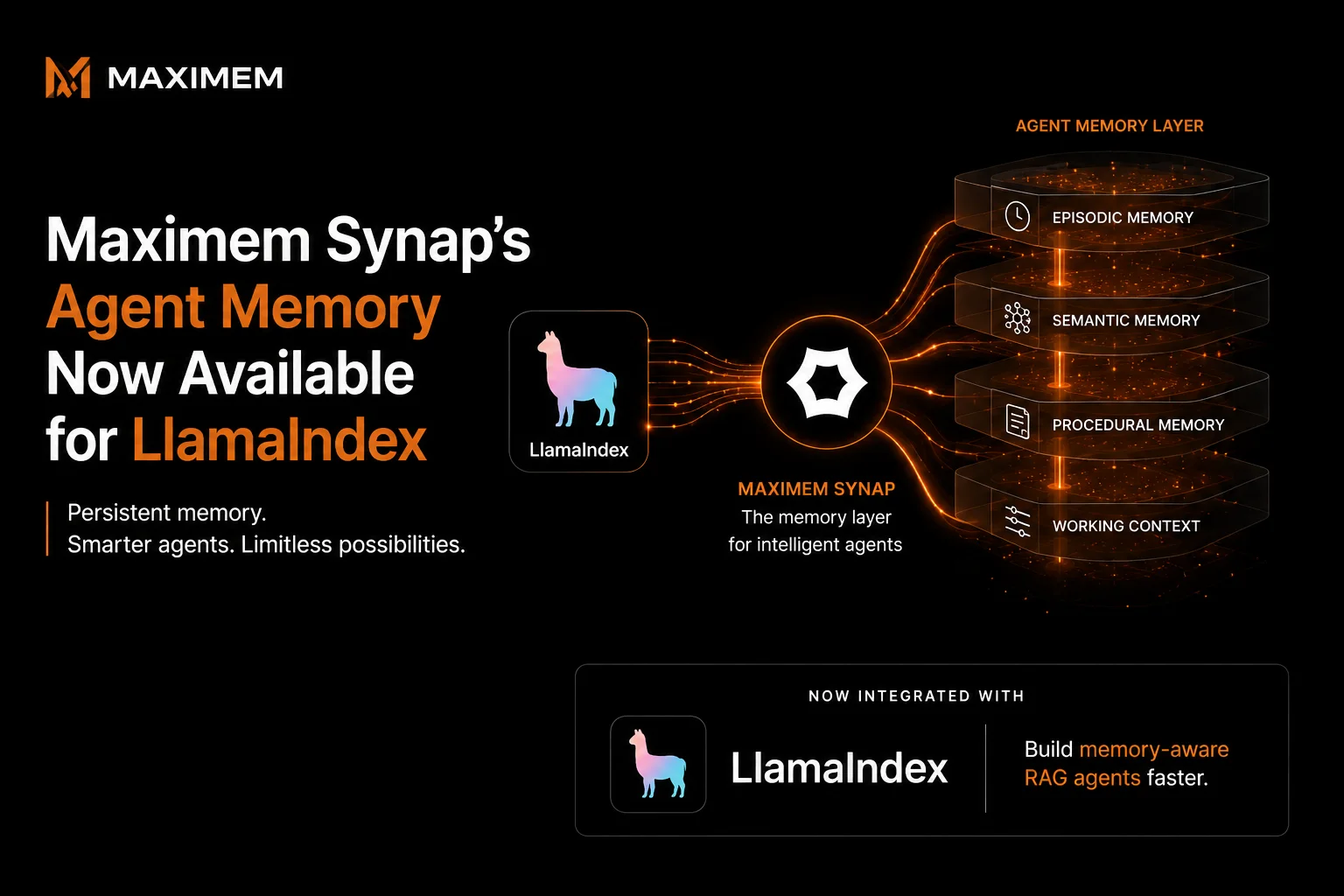
LlamaIndex Memory: How to Add Persistent Memory to an Agent
LlamaIndex's Memory class keeps chat history per session_id plus optional long-term blocks, in an in-memory SQLite database unless you pass a database URI. A per-user scope is left to you. Synap adds user-scoped memory, at 95.6% LongMemEval, 93.2% on LoCoMo accuracy.
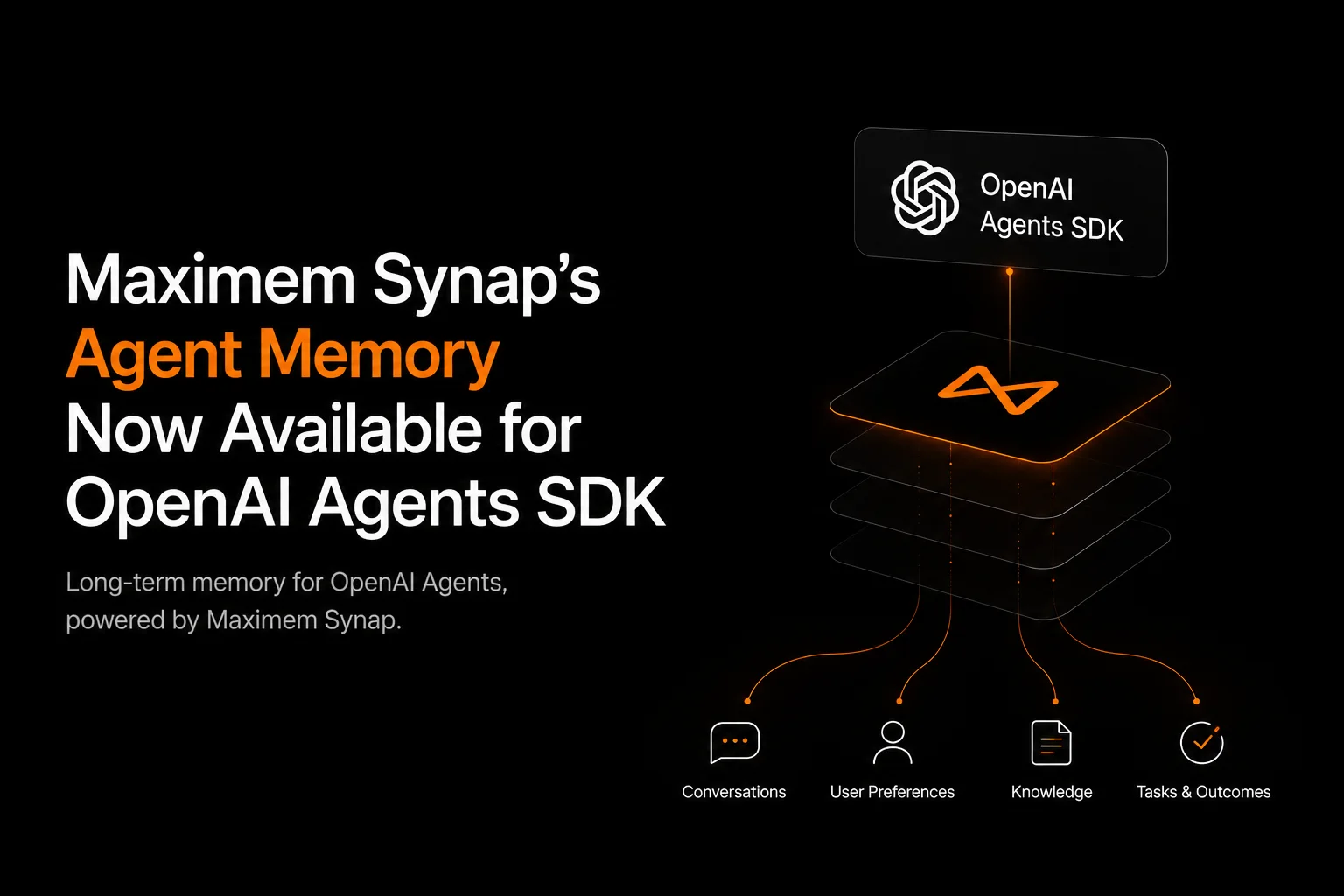
OpenAI Agents SDK Memory: Which Memory System Should You Use?
OpenAI Agents SDK sessions store and replay one conversation's history per session ID. They do not carry facts about a user into a new session. Synap adds per-user memory and entity resolution as two tools, at 95.6% LongMemEval, 93.2% on LoCoMo accuracy.
How to Add Persistent Memory to a LangGraph Agent
LangGraph checkpointers save state per thread and its Store holds data across threads, but your code decides what to write and how to update it. Synap's SynapStore adds user-scoped memory with entity resolution, at 95.6% LongMemEval, 93.2% on LoCoMo accuracy.
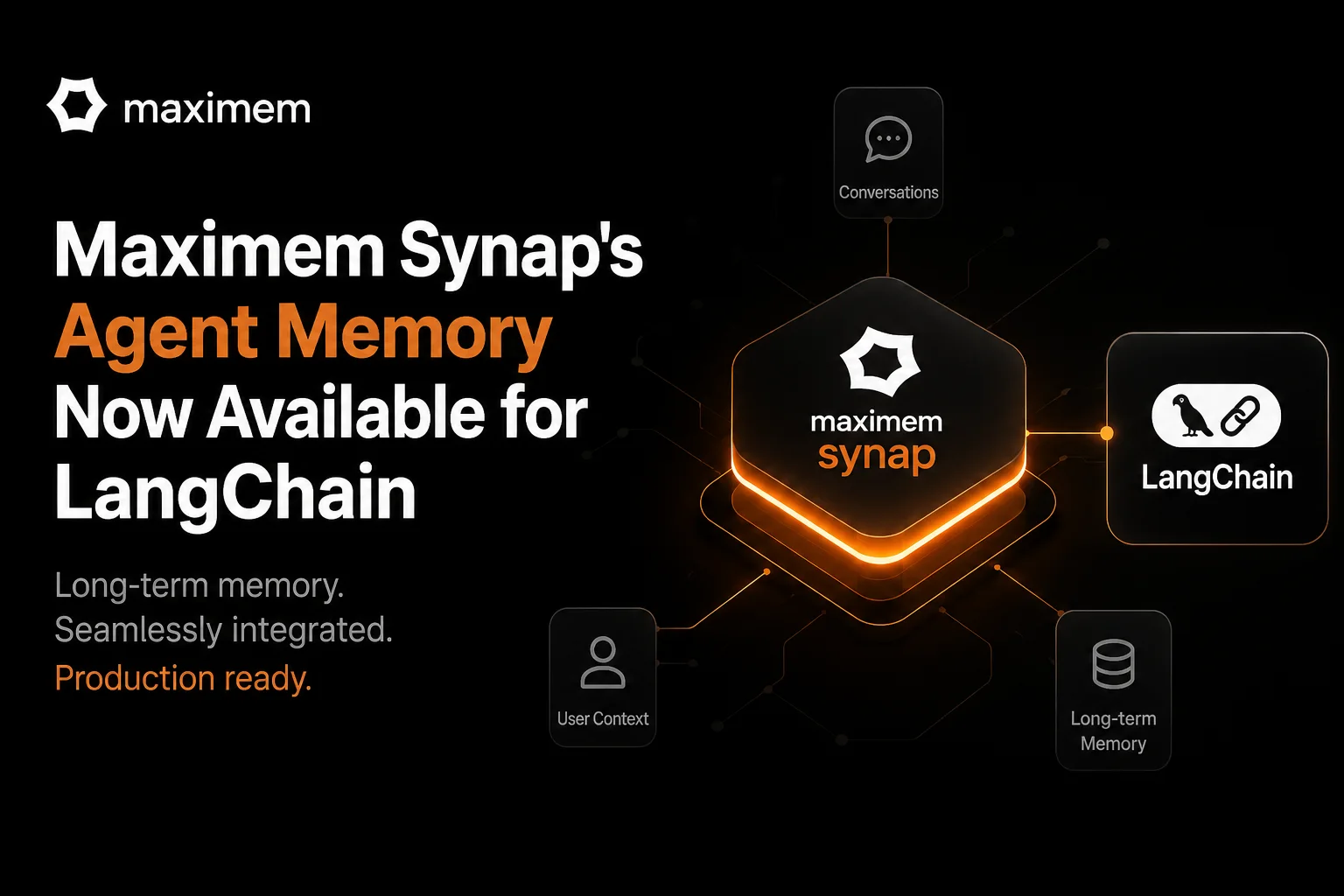
LangChain Long-Term Memory: Remembering Users Across Sessions
LangChain keeps one conversation with a checkpointer, scoped to a single thread_id, and keeps data across conversations in a LangGraph store under a namespace you design. What to save, how a changed fact replaces an old one and how users stay separate is left to your code.
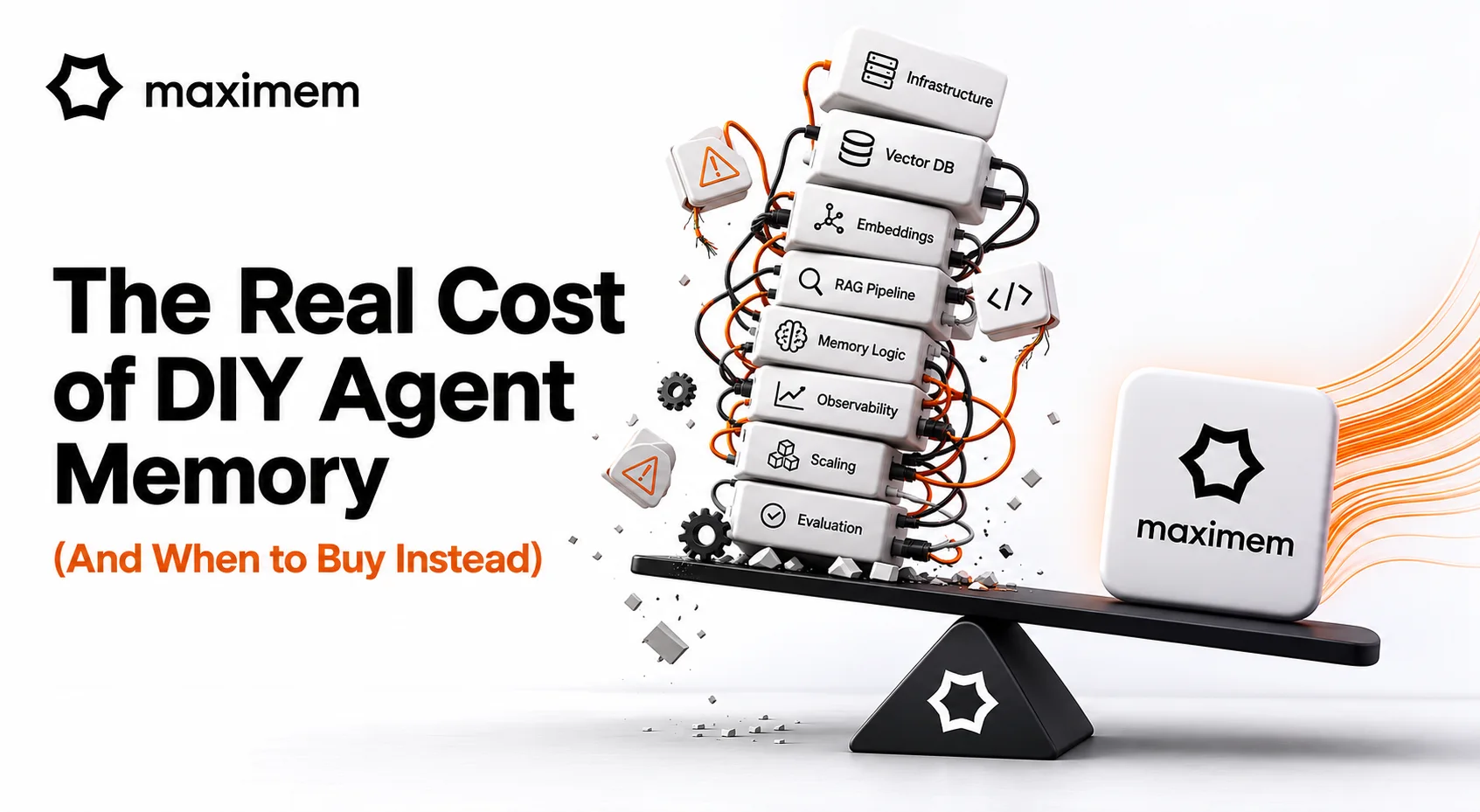
The Real Cost of DIY Agent Memory
Building agent memory from scratch costs $40K-$120K and 6+ months of engineering time. See the real numbers behind DIY memory systems and when to build vs buy.
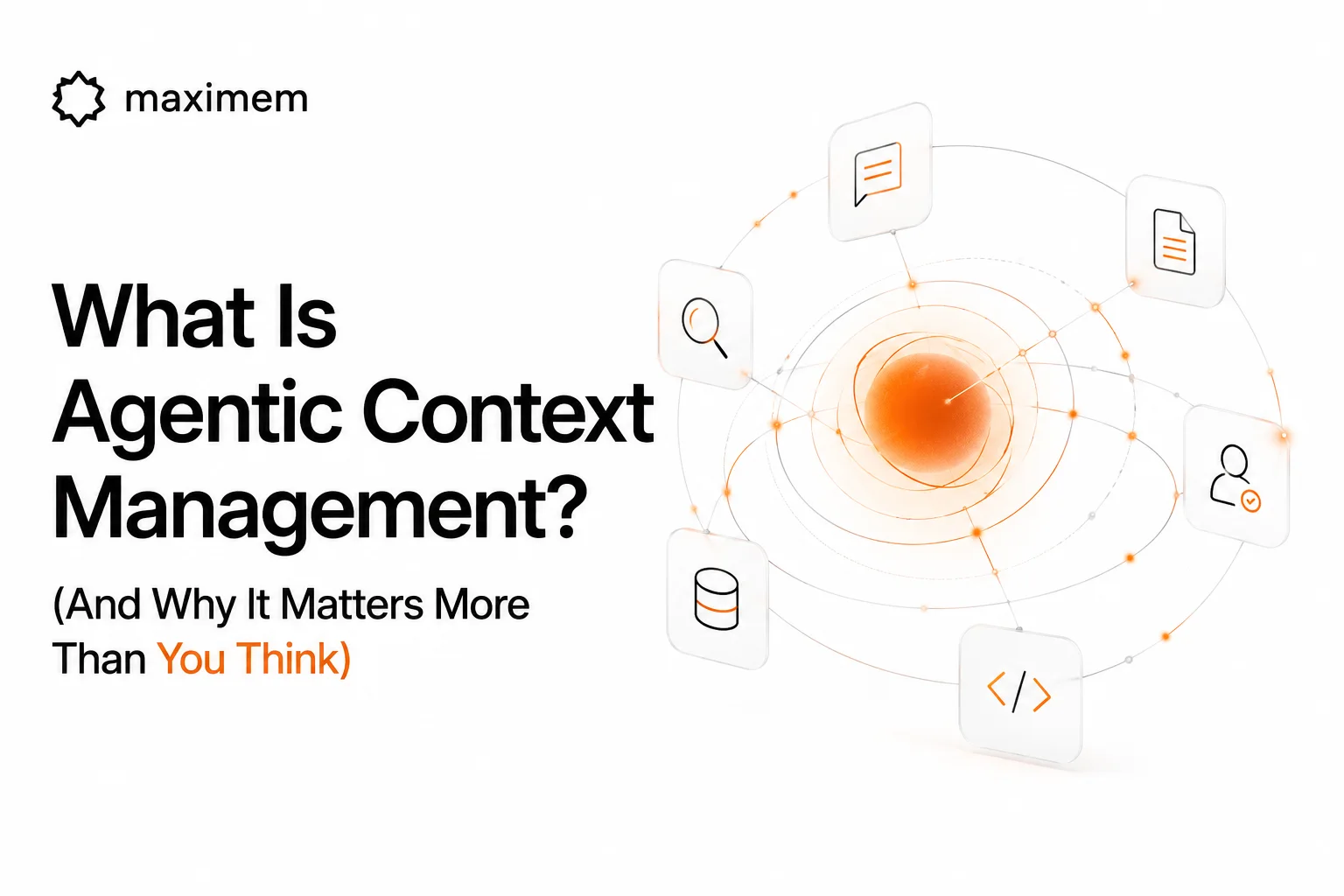
What Is Agentic Context Management?
Agentic context management is how you orchestrate what information your AI agents see and when. Learn why it's critical infrastructure, not a feature, and how to architect it properly.
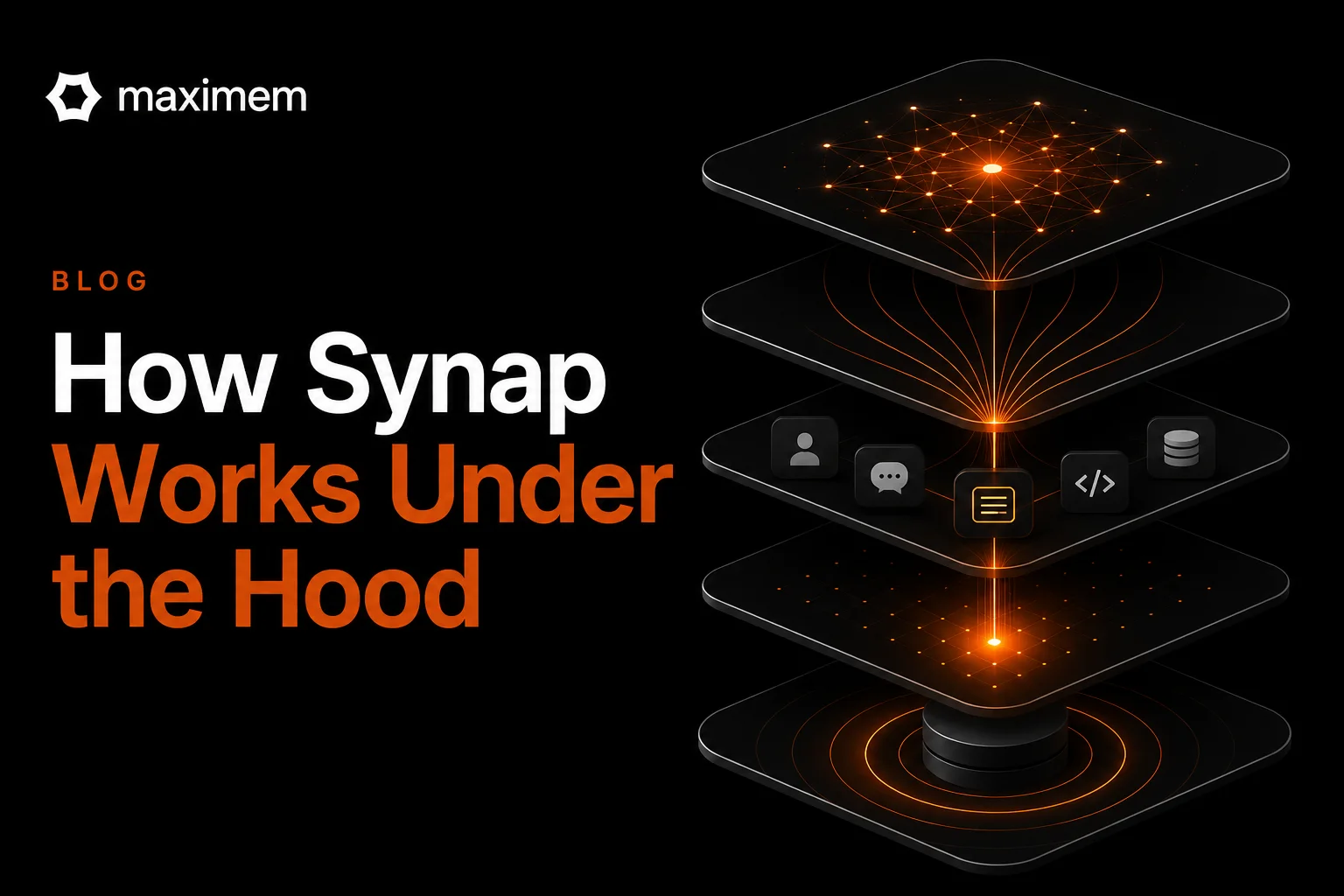
How Synap Works Under the Hood
We launched Maximem Synap today. Here's a peek into how it is built.
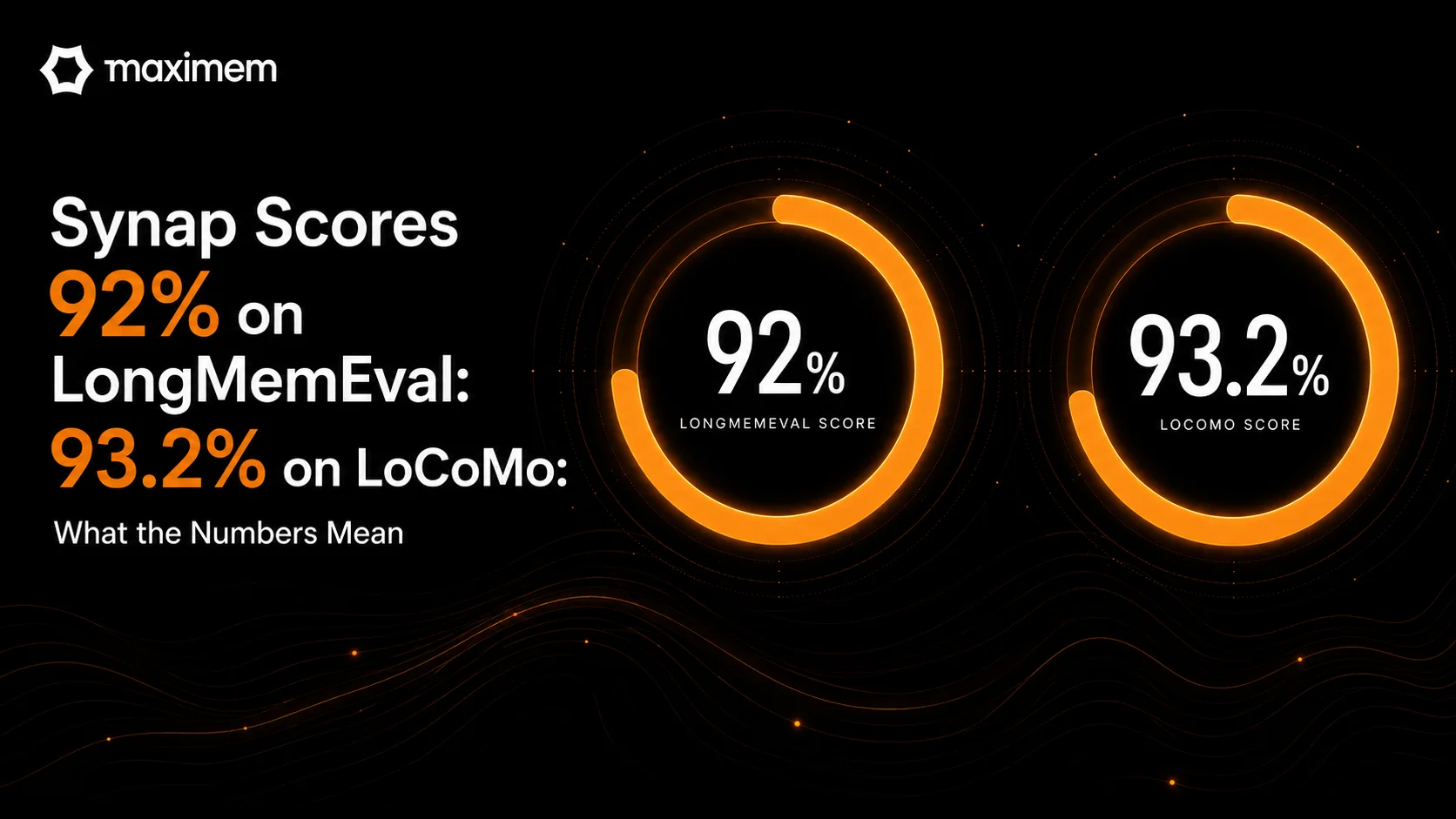
Synap's June 2026 Benchmark Results: 92% on LongMemEval, 93.2% on LoCoMo
Synap outperforms existing memory systems by redesigning context management on leading benchmarks; delivering higher accuracy, lower latency, and stable performance at scale through structured, domain-specific architectures.
Why AI Forgets: Why ChatGPT, Claude, and Gemini Don't Remember You Well
AI conversations are stateless by design. Each new chat starts with no knowledge of previous sessions. ChatGPT, Claude do have a built-in memory features that stores basic facts about you, but they only retain lightweight summaries of recent chats and don't carry over the detailed context from working sessions.
AI Memory Portability: Why Your AI Still Does Not Know You When You Switch Tools or Run Several Agents
AI memory portability as of 4 November 2026: what Claude, ChatGPT, Gemini and Cursor let you export (mostly text), why a one-time import is migration rather than portability, whether several agents running at once should share one memory or keep their own, how to see what each agent knows about you, why MCP gives memory a plug but no format, the 2026 standard proposals, and how to test whether memory actually moved.
We Looked at how 3 AI apps handle Memory. None of Them Solve the Real Problem.
How ChatGPT, Claude, and OpenClaw Remember You and Why it is Not Enough

The Future of AI Memory Systems
Exploring the next generation of AI capabilities and how memory will shape the future of human-AI interaction.