All articles · Page 4
99 articles on AI memory, agent engineering and production AI, newest first.
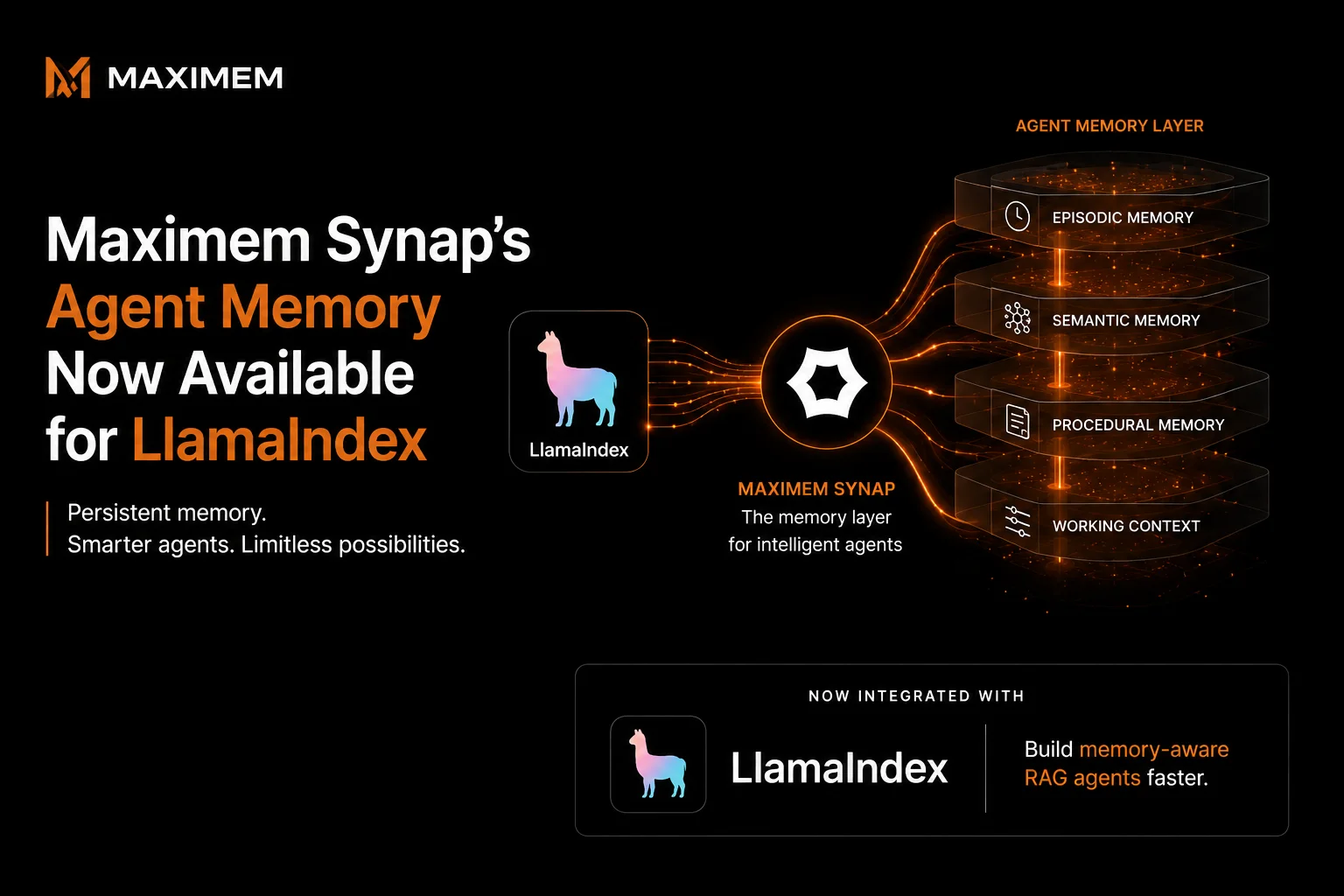
LlamaIndex Memory: How to Add Persistent Memory to an Agent
LlamaIndex's Memory class keeps chat history per session_id plus optional long-term blocks, in an in-memory SQLite database unless you pass a database URI. A per-user scope is left to you. Synap adds user-scoped memory, at 95.6% LongMemEval, 93.2% on LoCoMo accuracy.
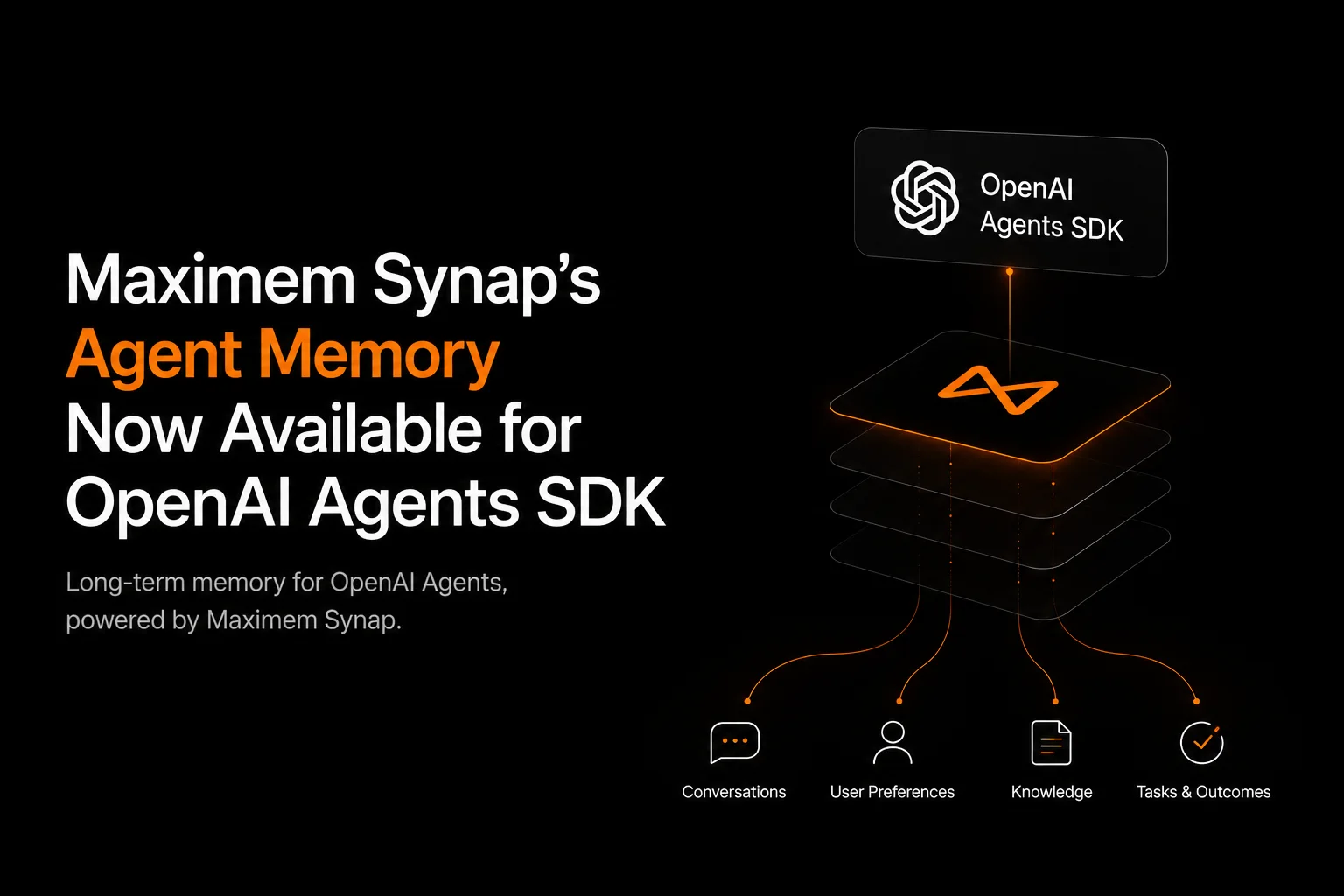
OpenAI Agents SDK Memory: Which Memory System Should You Use?
OpenAI Agents SDK sessions store and replay one conversation's history per session ID. They do not carry facts about a user into a new session. Synap adds per-user memory and entity resolution as two tools, at 95.6% LongMemEval, 93.2% on LoCoMo accuracy.

I Spoke to 500+ Voice AI Builders in India Over 3 Months. Here Is What I Found.
Field notes from 500+ Voice AI builders in India. An exploration of outbound dominance, the "too good" TTS problem, and why memory is the final infrastructure hurdle for production agents.
How to Add Persistent Memory to a LangGraph Agent
LangGraph checkpointers save state per thread and its Store holds data across threads, but your code decides what to write and how to update it. Synap's SynapStore adds user-scoped memory with entity resolution, at 95.6% LongMemEval, 93.2% on LoCoMo accuracy.
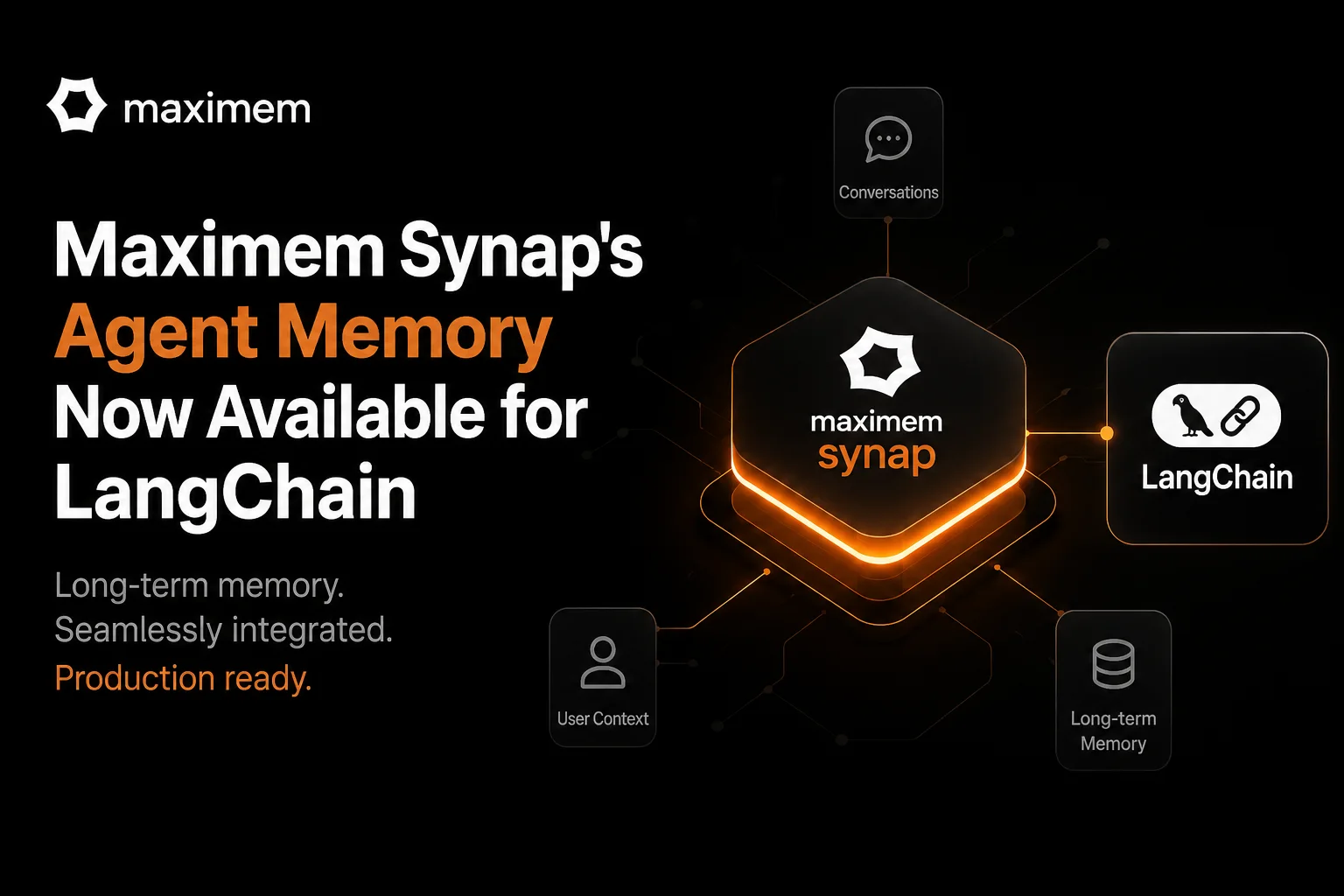
LangChain Long-Term Memory: Remembering Users Across Sessions
LangChain keeps one conversation with a checkpointer, scoped to a single thread_id, and keeps data across conversations in a LangGraph store under a namespace you design. What to save, how a changed fact replaces an old one and how users stay separate is left to your code.
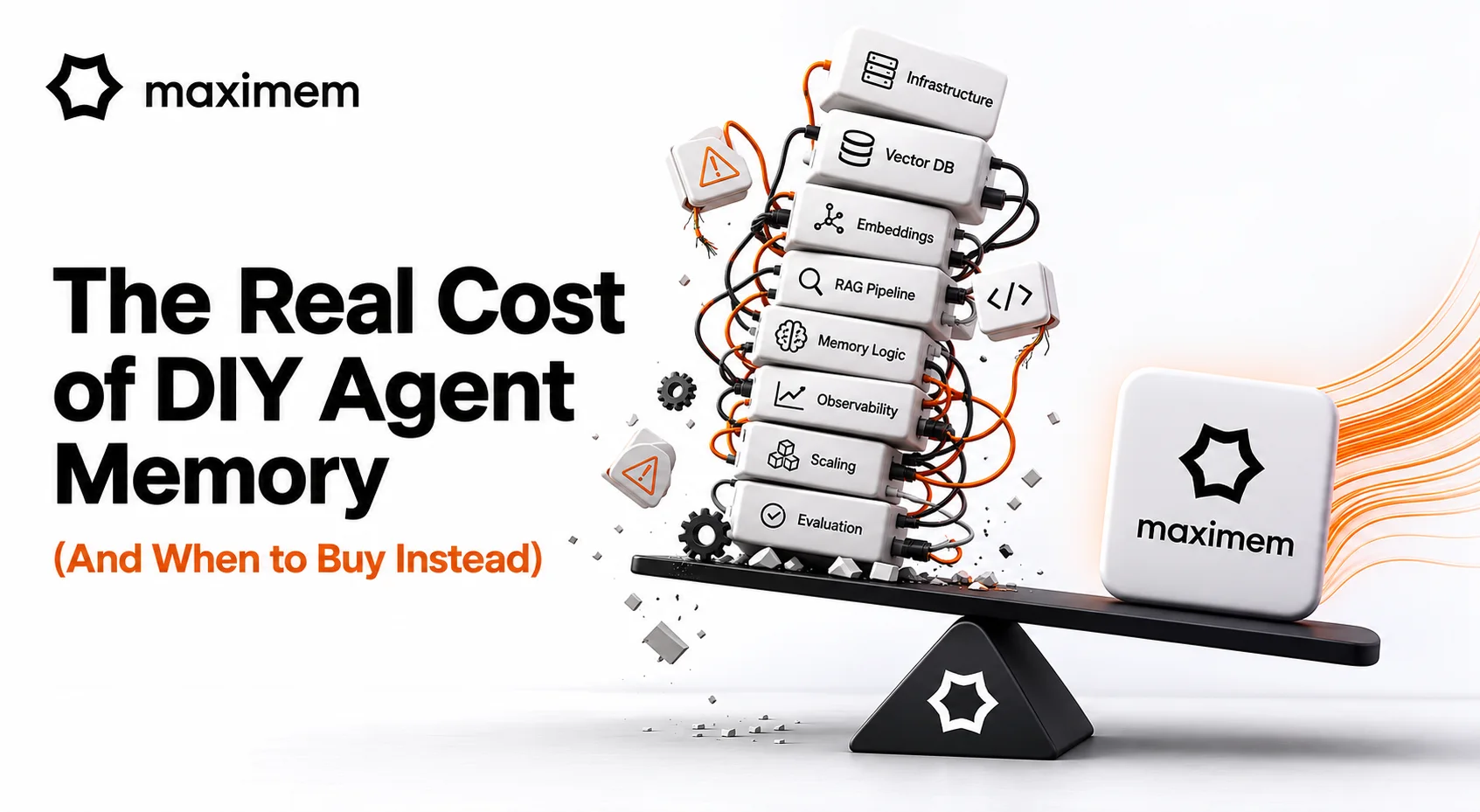
The Real Cost of DIY Agent Memory
Building agent memory from scratch costs $40K-$120K and 6+ months of engineering time. See the real numbers behind DIY memory systems and when to build vs buy.
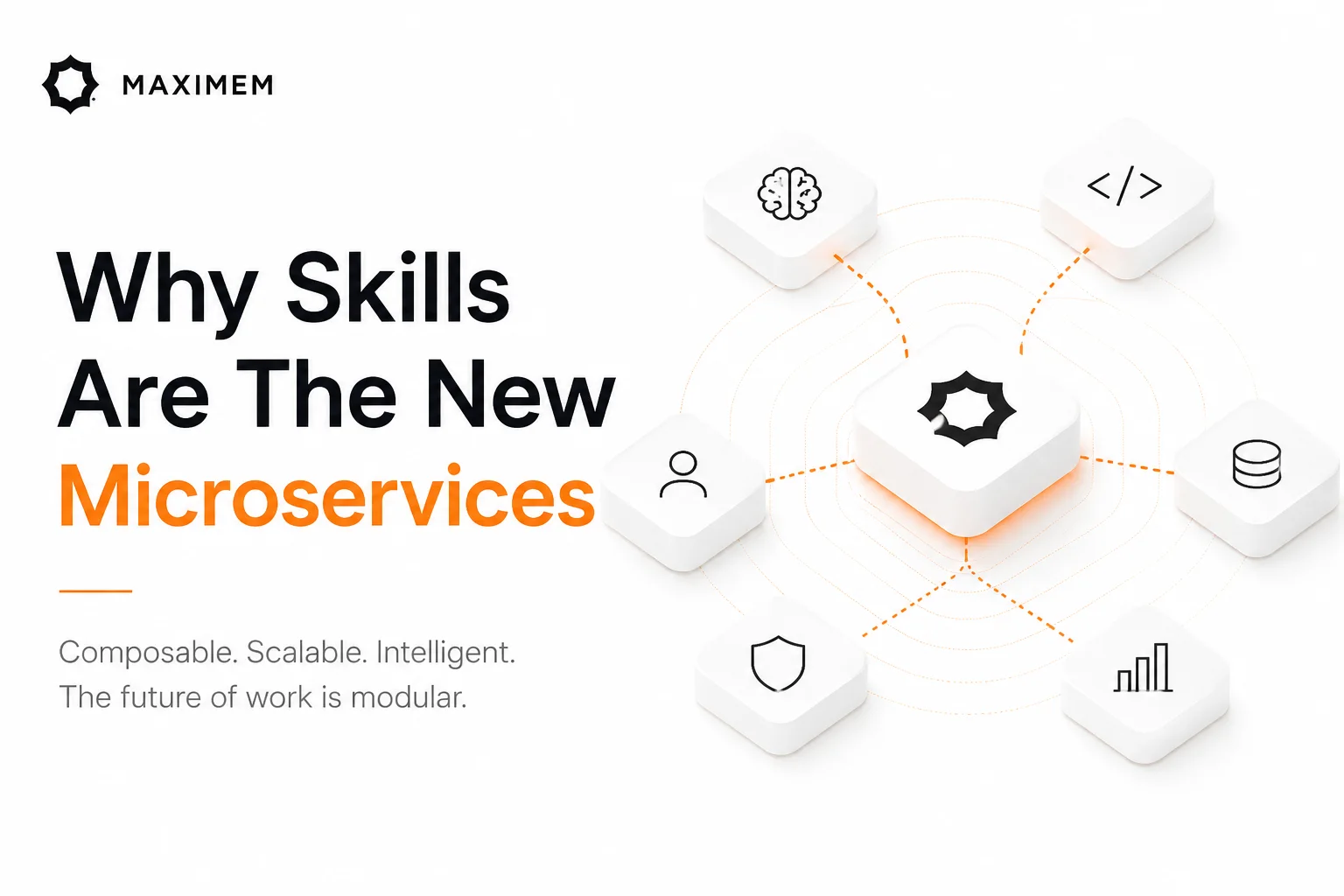
Why Skills Are The New Microservices
Skills are how modular AI agents scale. Discover why skills replace monolithic prompts, how to architect composable agents, and the context management patterns that make them work at scale.
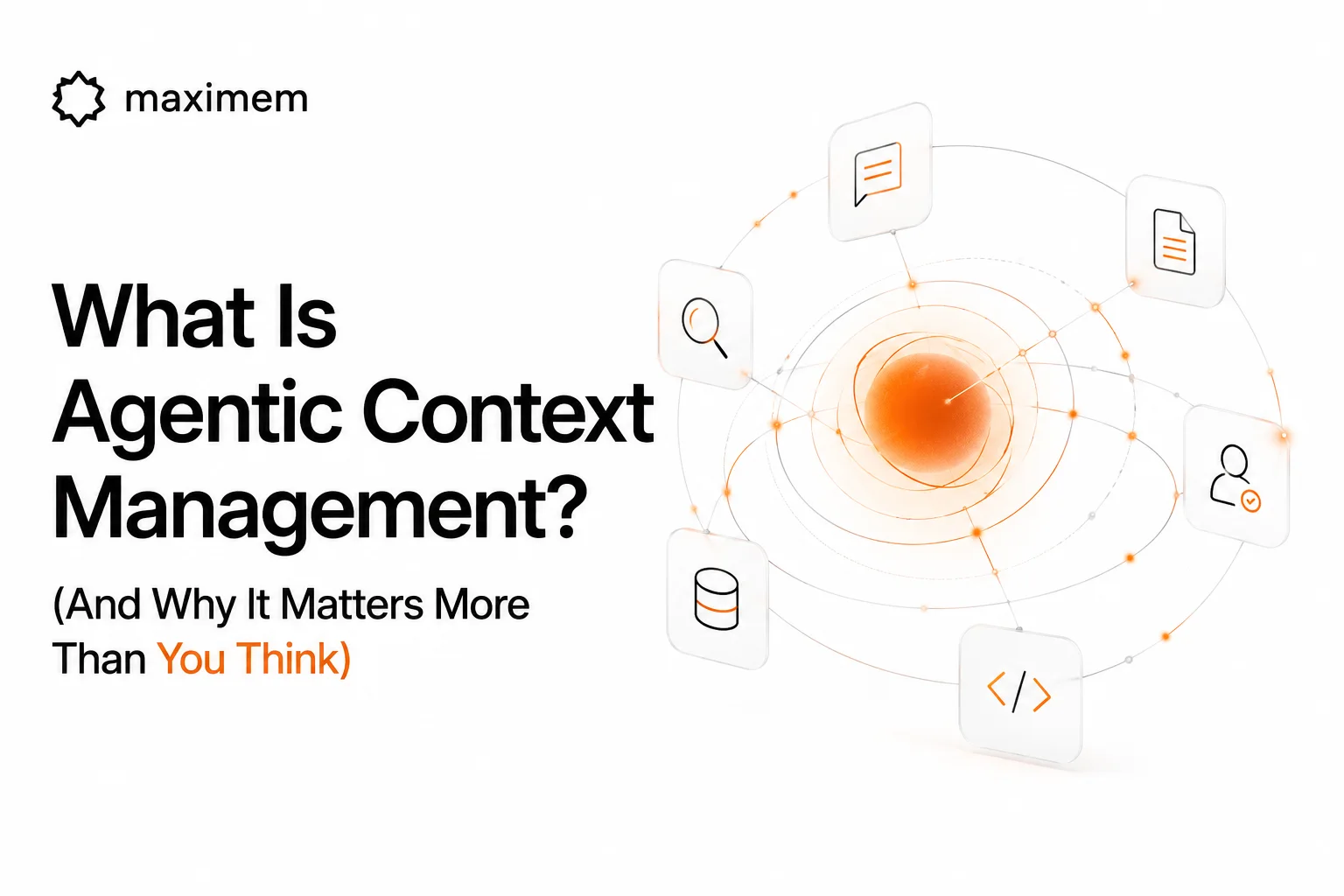
What Is Agentic Context Management?
Agentic context management is how you orchestrate what information your AI agents see and when. Learn why it's critical infrastructure, not a feature, and how to architect it properly.
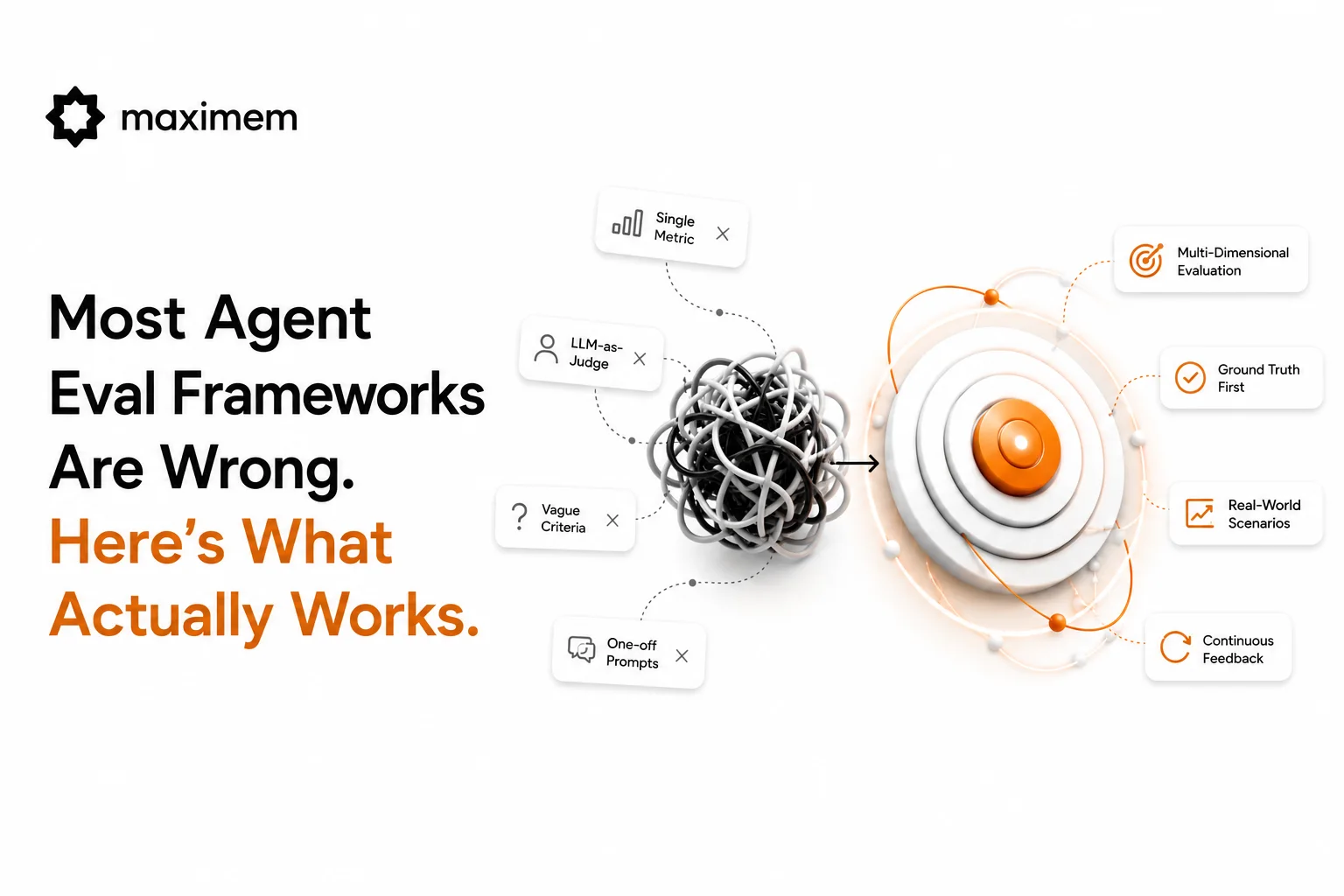
How to Evaluate AI Agents (and Test a Model Swap Before You Switch)
How to evaluate an AI agent: start with 20 to 50 tasks drawn from real failures, grade the outcome and the transcript, run several trials per task, gate every change in CI, and check the grader before you trust it. Updated 6 November 2026 with a seven-step method for testing a cheaper model inside your own agent, and why a loop that closed the gap in a paper did not justify a switch in practice.
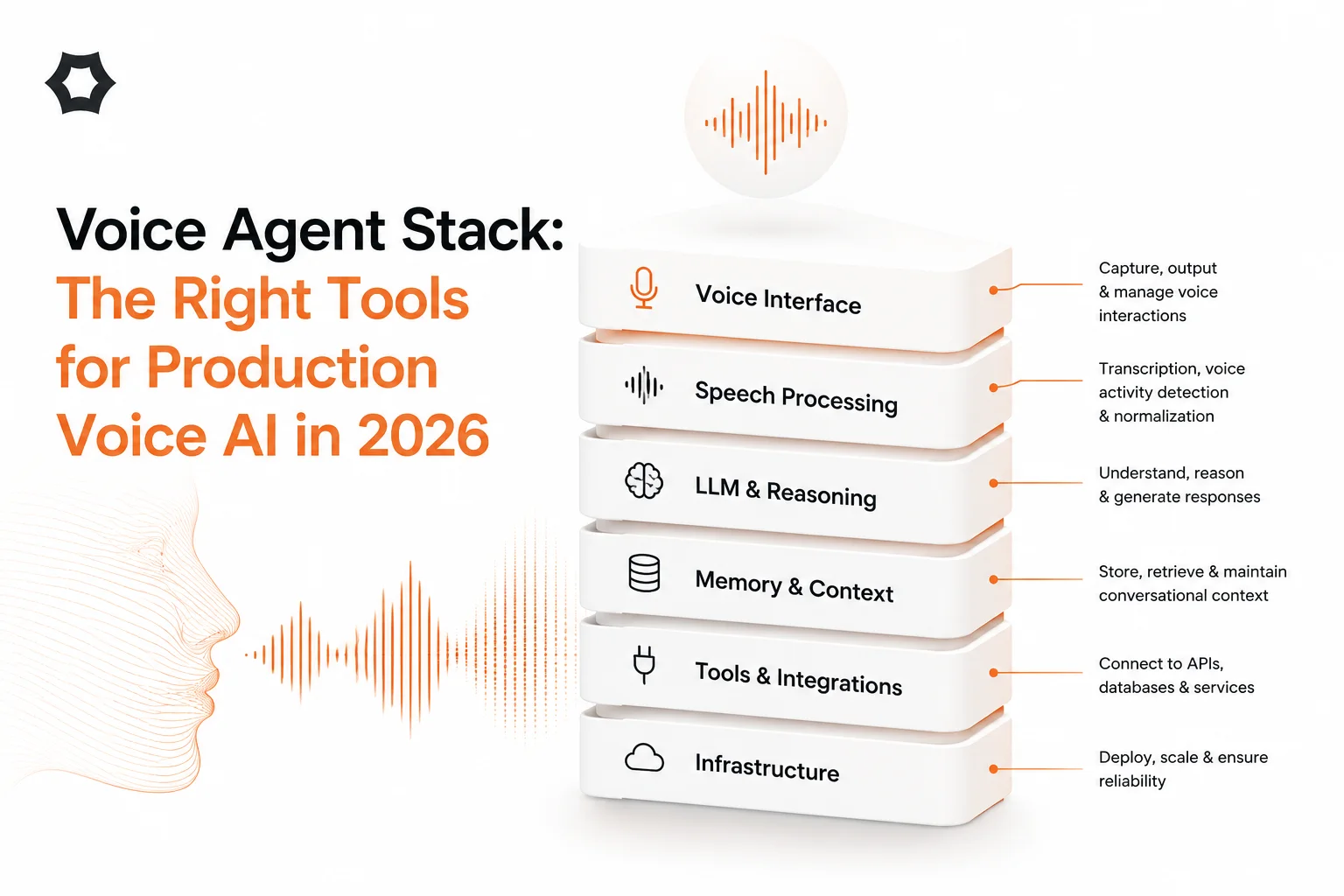
Voice Agent Stack: The Right Tools for Production Voice AI in 2026
Build production-ready voice agents with the right stack. Compare MCPs, frameworks (CrewAI, AutoGen, Swarms), APIs (Deepgram, ElevenLabs, Vapi), and learn cost-effective patterns for voice AI in 2026.
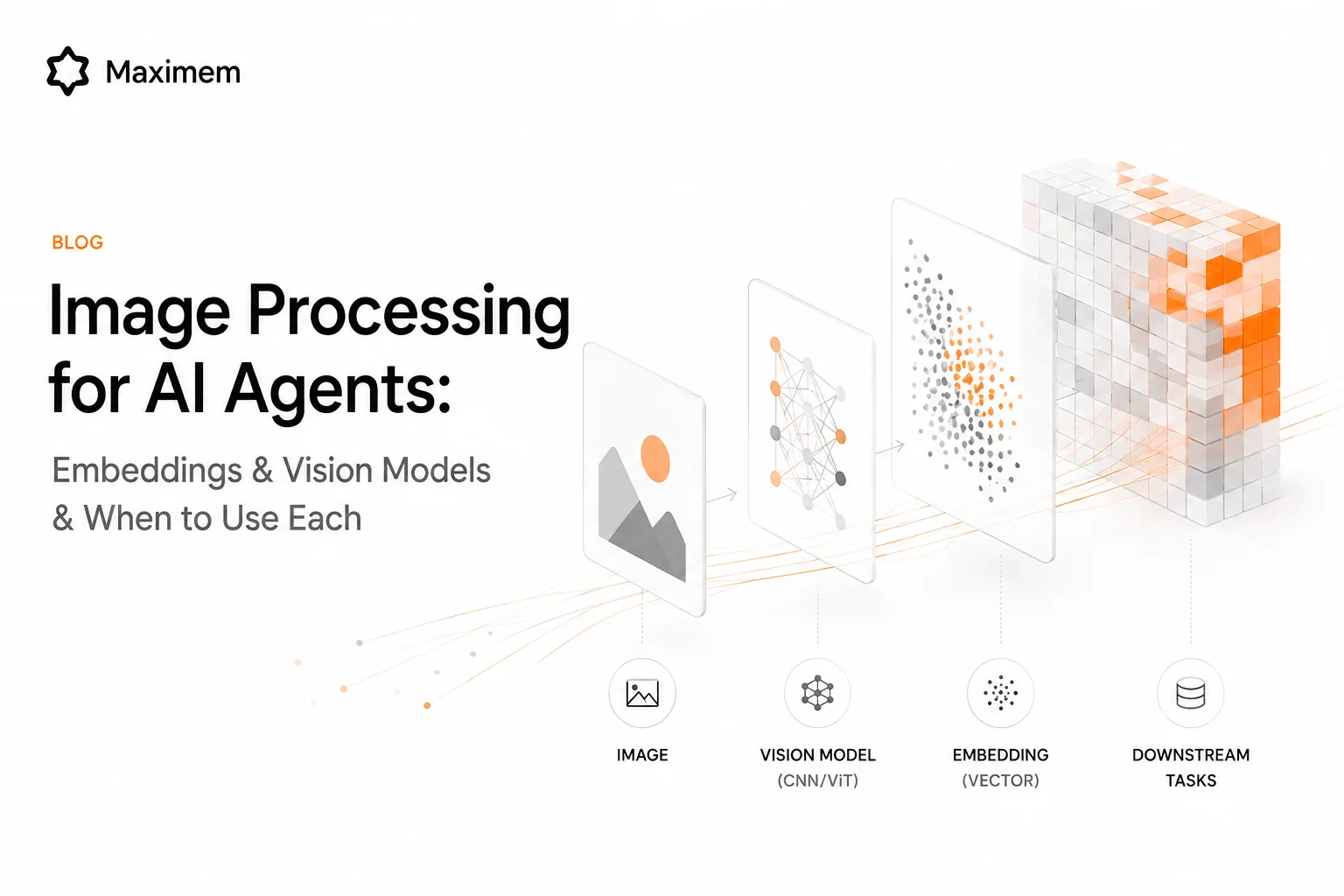
Image Processing for AI Agents: Embeddings & Vision Models & When to Use Each
Vision models or embeddings? You need both. Discover the hybrid approach that cuts image analysis costs 87% while maintaining quality—with pricing breakdowns for every tool.
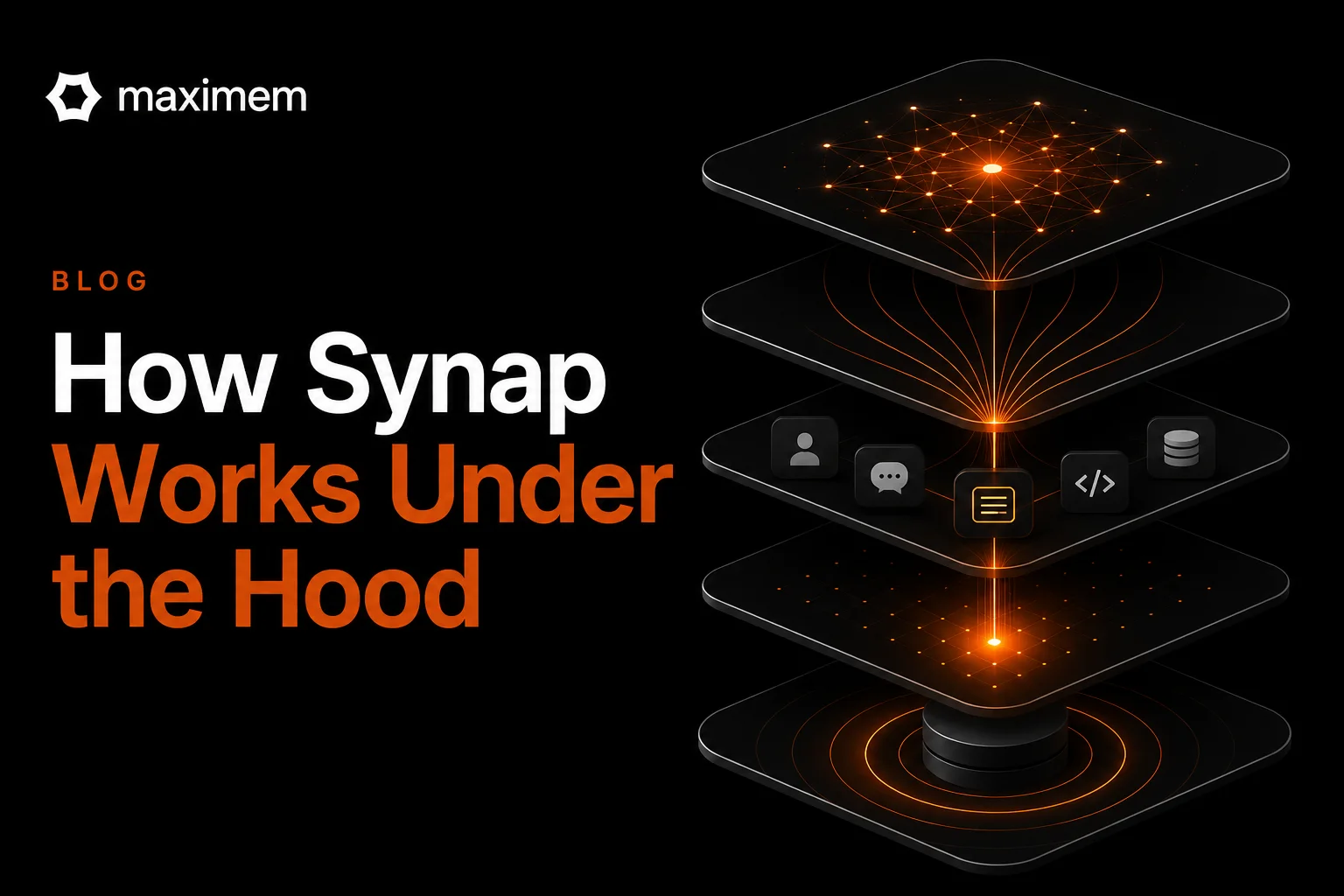
How Synap Works Under the Hood
We launched Maximem Synap today. Here's a peek into how it is built.
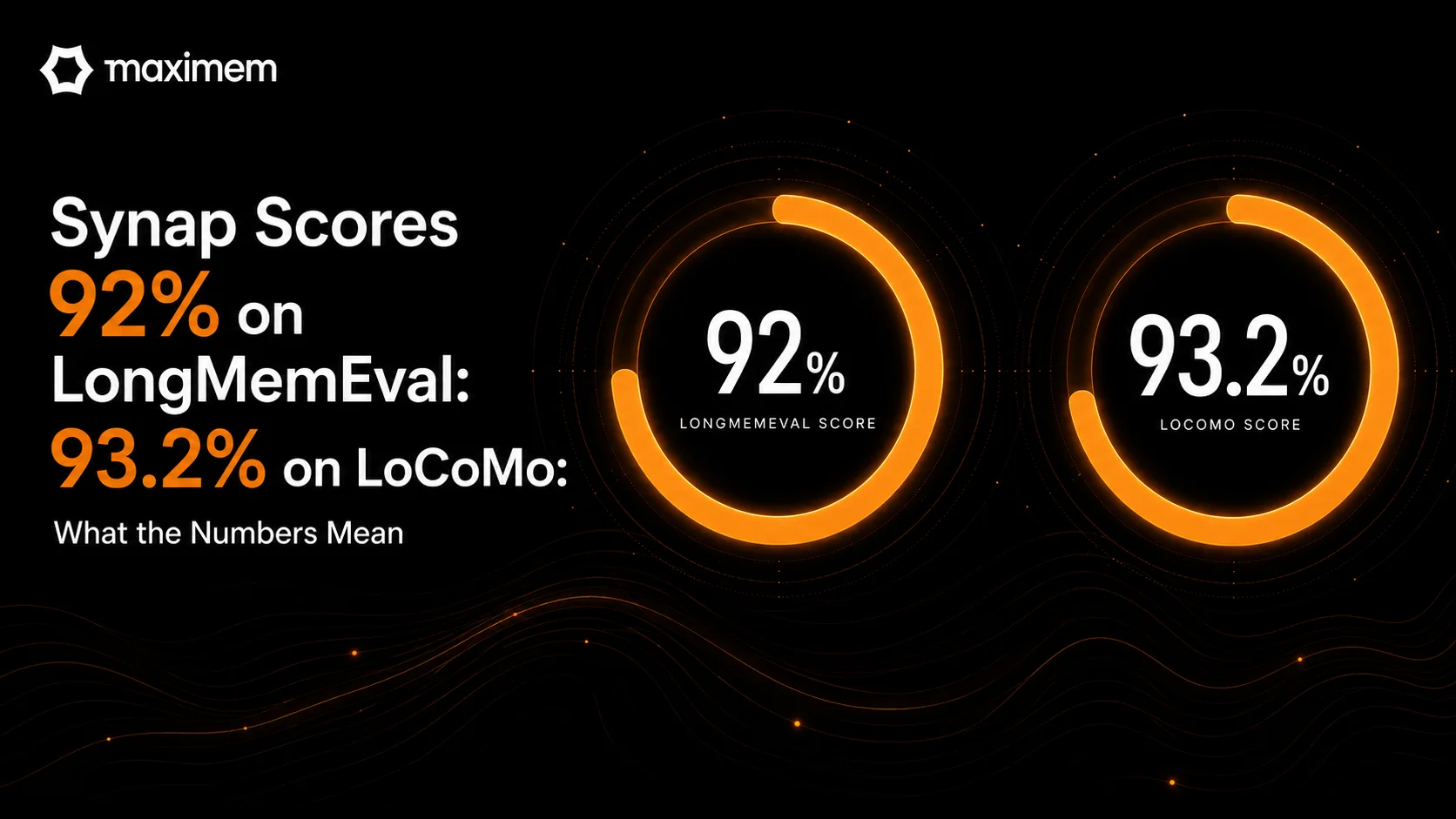
Synap's June 2026 Benchmark Results: 92% on LongMemEval, 93.2% on LoCoMo
Synap outperforms existing memory systems by redesigning context management on leading benchmarks; delivering higher accuracy, lower latency, and stable performance at scale through structured, domain-specific architectures.
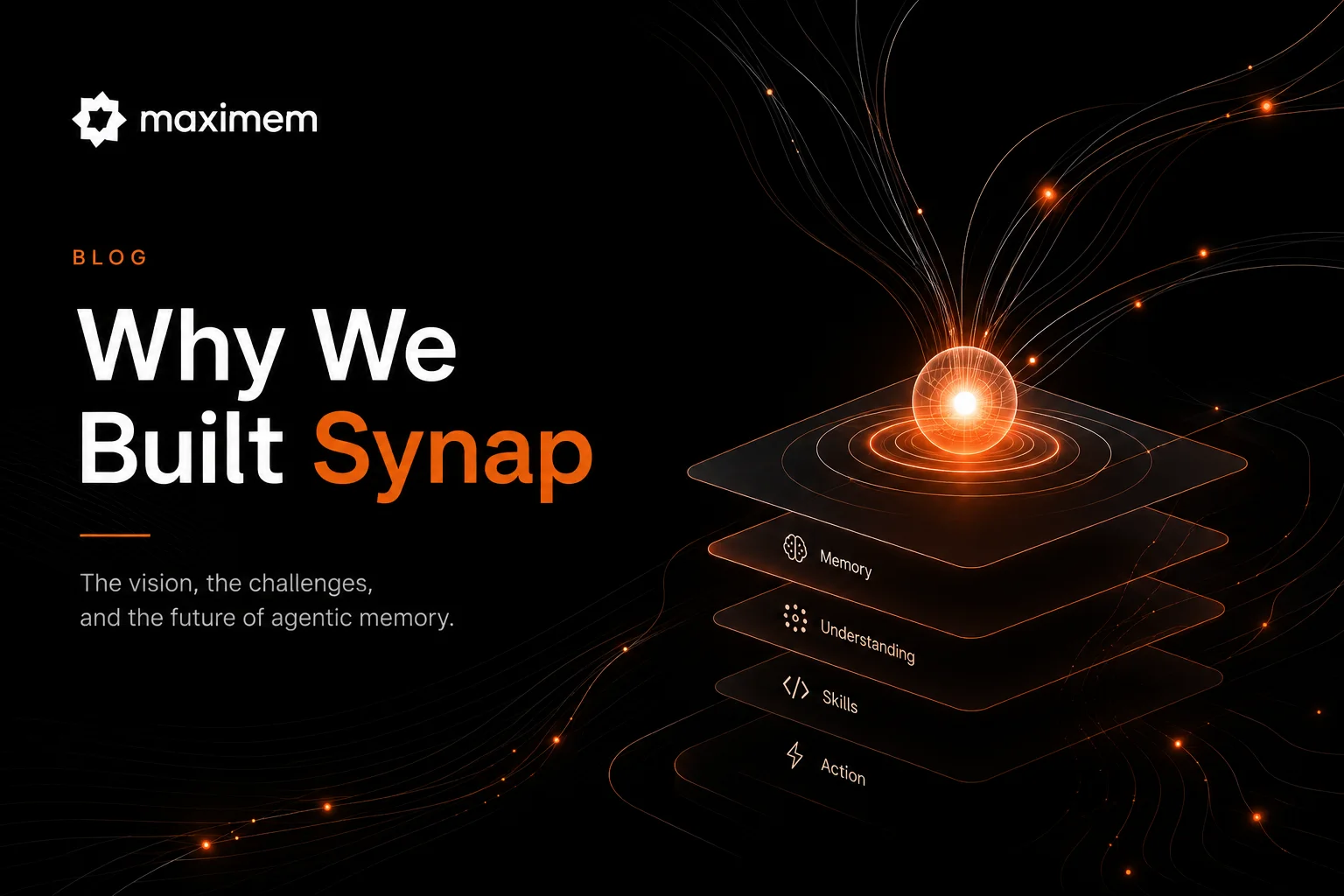
Why We Built Synap
AI agents don’t fail from lack of memory, they fail because context doesn’t evolve. This article shows why current approaches break, introduces the Context Management Trilemma, and how Synap enables agents to learn, adapt, and stop forgetting over time.
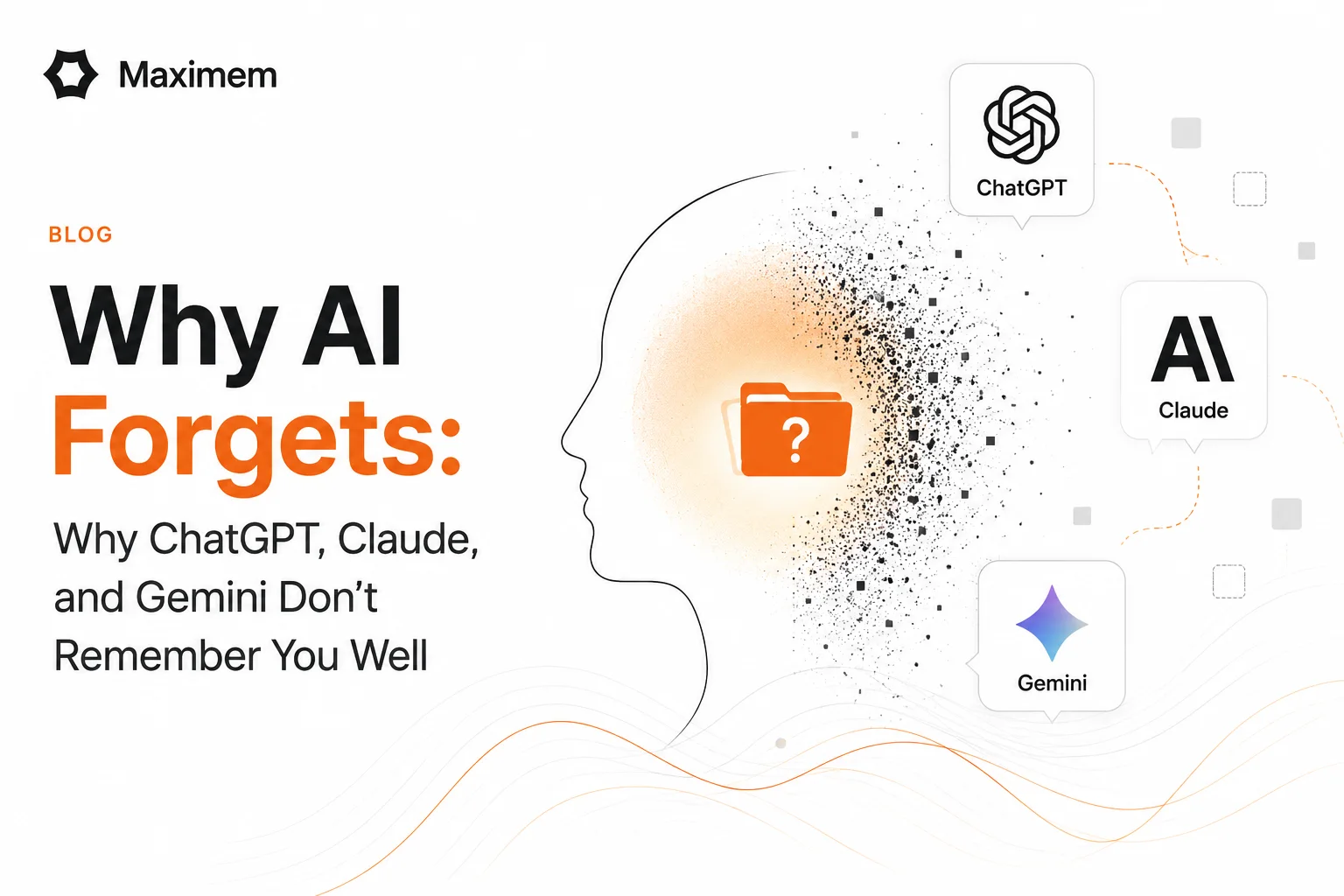
Why AI Forgets: Why ChatGPT, Claude, and Gemini Don't Remember You Well
AI conversations are stateless by design. Each new chat starts with no knowledge of previous sessions. ChatGPT, Claude do have a built-in memory features that stores basic facts about you, but they only retain lightweight summaries of recent chats and don't carry over the detailed context from working sessions.
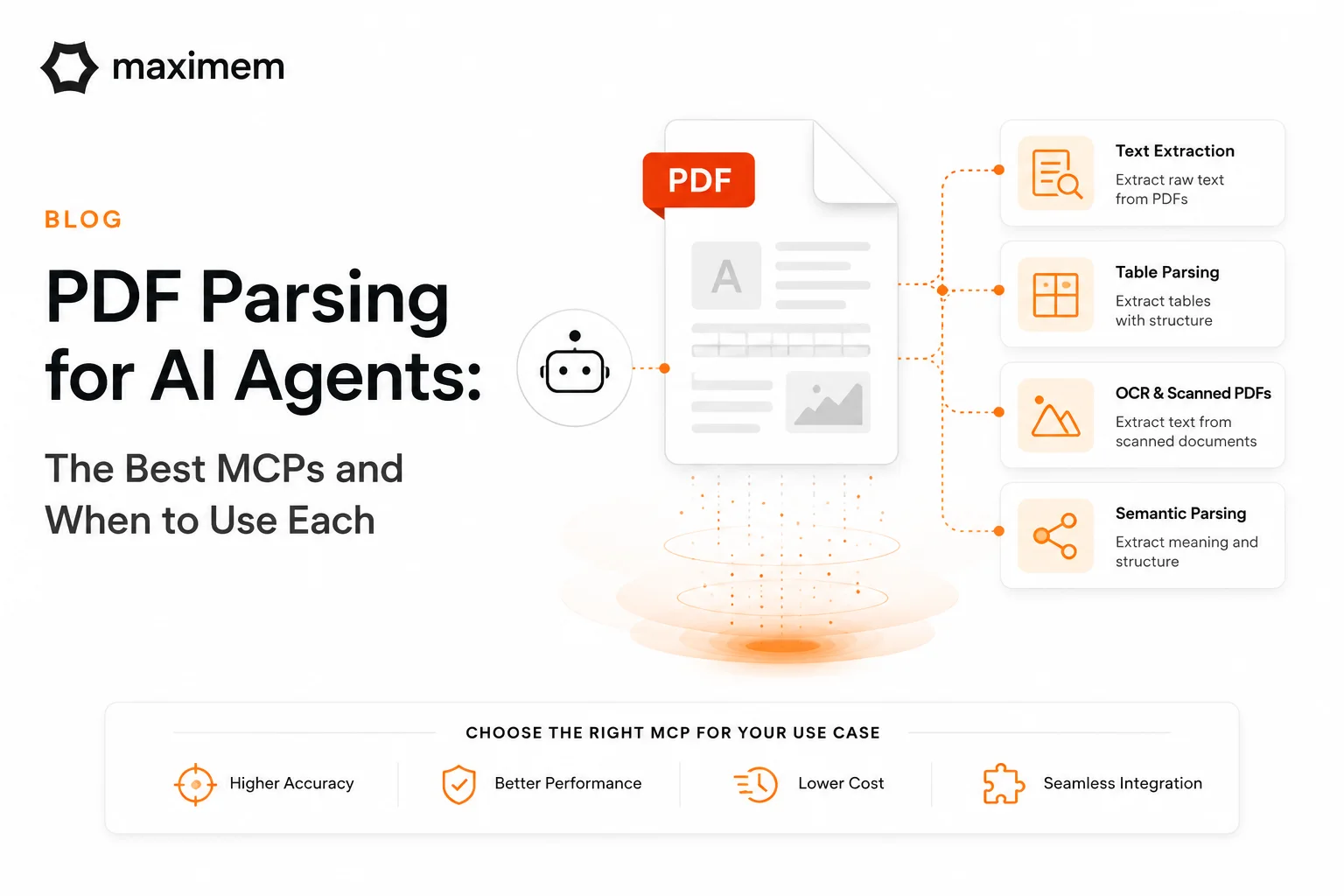
PDF Parsing for AI Agents: The Best MCPs and When to Use Each
Streamline your document workflows by integrating PDF parsing with the Model Context Protocol (MCP). This guide explores how to build a standardized interface that allows AI agents to extract and reason over complex PDF data with precision and ease.

$4K Courses Will Teach You Agent Evals. Here's a Free Guide.
Move beyond static benchmarks to master the art of AI agent evaluation. This guide explores how to design frameworks that measure reasoning, tool-use, and reliability to bridge the gap between experimental prototypes and production-ready systems.
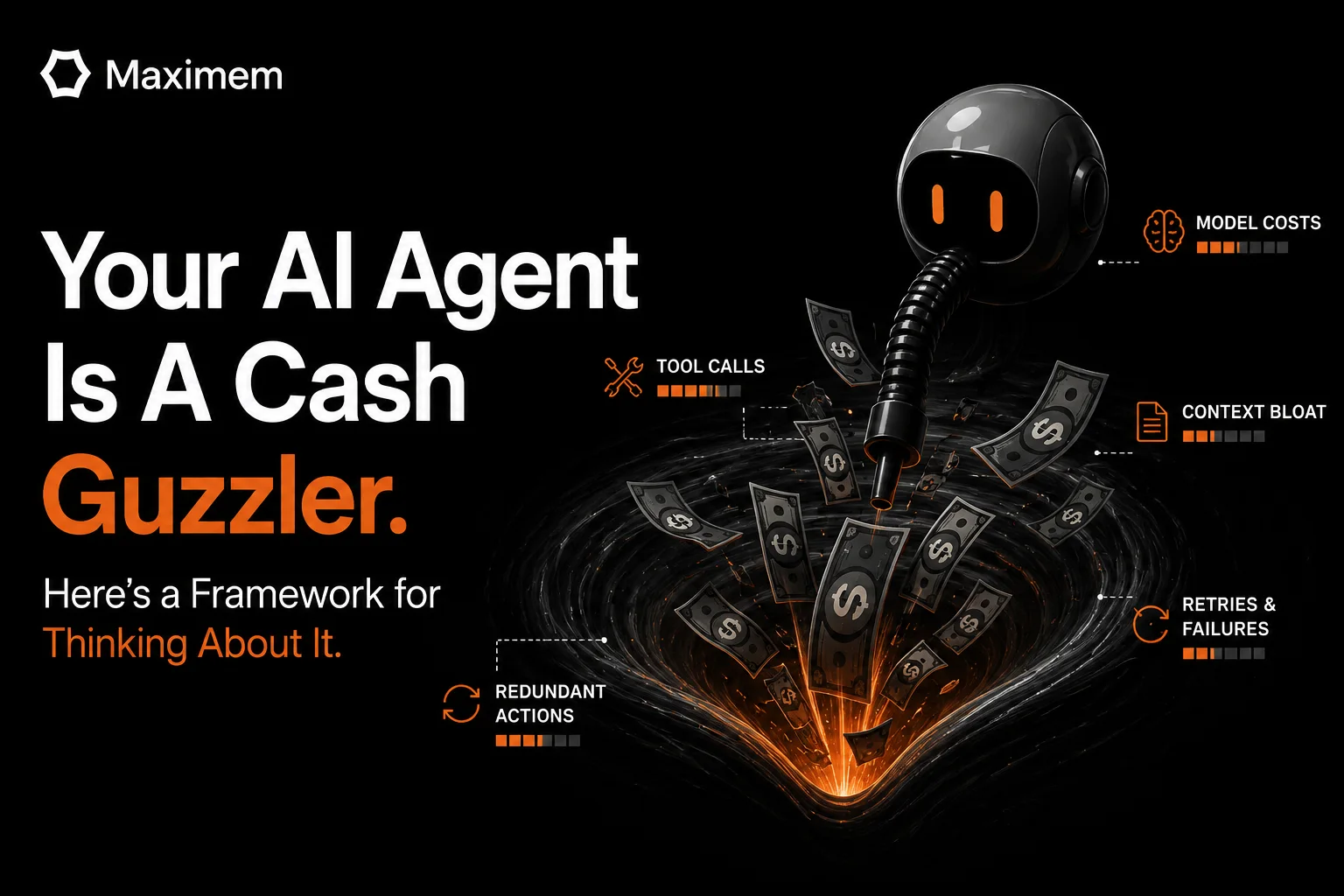
Your AI Agent Is A Cash Guzzler. Here's a Framework for Thinking About It.
Most founders misjudge agent costs, focusing only on token price. In reality, stacked expenses from context accumulation and infrastructure can explode bills 10x at scale. Learn to identify the actual growth curve in your billing stack and why smart context management is the only viable path to sustainable unit economics.
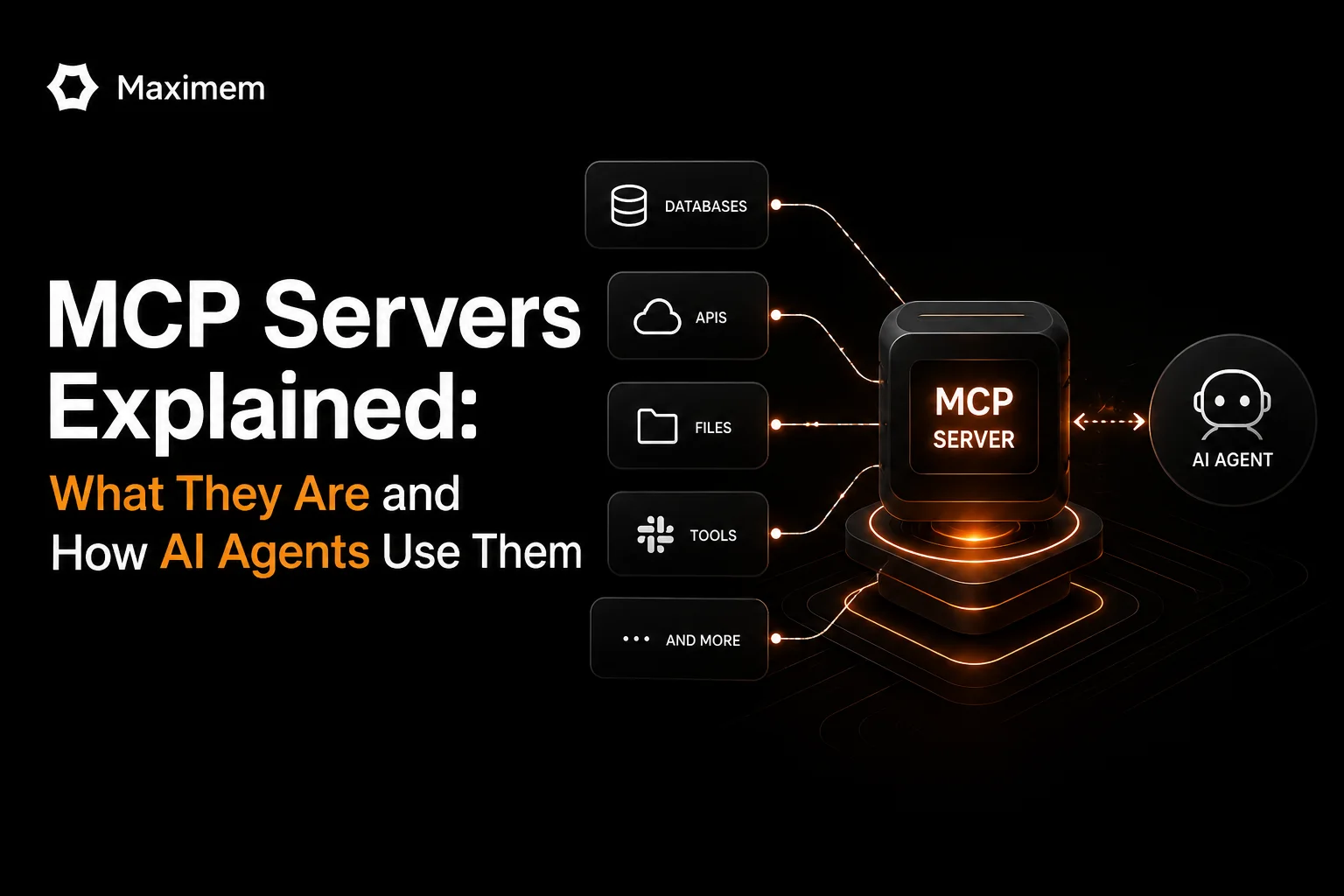
MCP Servers Explained: What They Are and How AI Agents Use Them
An MCP server is a program that exposes tools, resources and prompts to an AI application over the Model Context Protocol. Updated 6 November 2026 for the current spec, 2026-07-28: stateless requests, stdio and Streamable HTTP, OAuth 2.1 for remote servers, and a practical guide to choosing between tools, resources and prompts, including where agent memory fits.
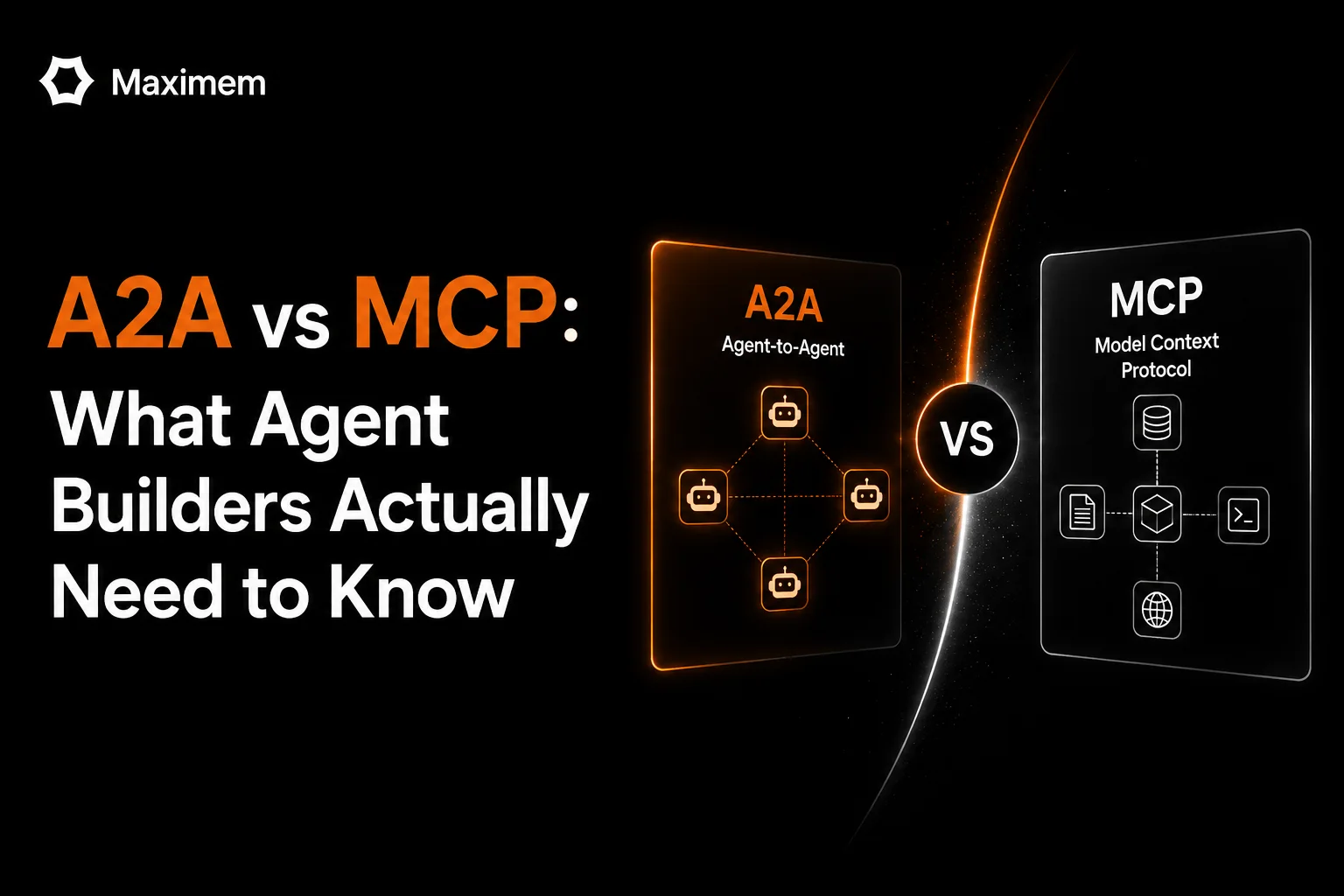
A2A vs MCP: What Agent Builders Actually Need to Know
MCP connects an agent to tools and data; A2A connects an agent to other agents. Updated 5 November 2026 for MCP 2026-07-28 (stateless, no sessions), A2A 1.0 under the Agentic AI Foundation, how each protocol authenticates, why every agent-to-agent hop needs its own narrowed token, and what context and memory actually cross the hop.
AI Memory Portability: Why Your AI Still Does Not Know You When You Switch Tools or Run Several Agents
AI memory portability as of 4 November 2026: what Claude, ChatGPT, Gemini and Cursor let you export (mostly text), why a one-time import is migration rather than portability, whether several agents running at once should share one memory or keep their own, how to see what each agent knows about you, why MCP gives memory a plug but no format, the 2026 standard proposals, and how to test whether memory actually moved.
We Looked at how 3 AI apps handle Memory. None of Them Solve the Real Problem.
How ChatGPT, Claude, and OpenClaw Remember You and Why it is Not Enough
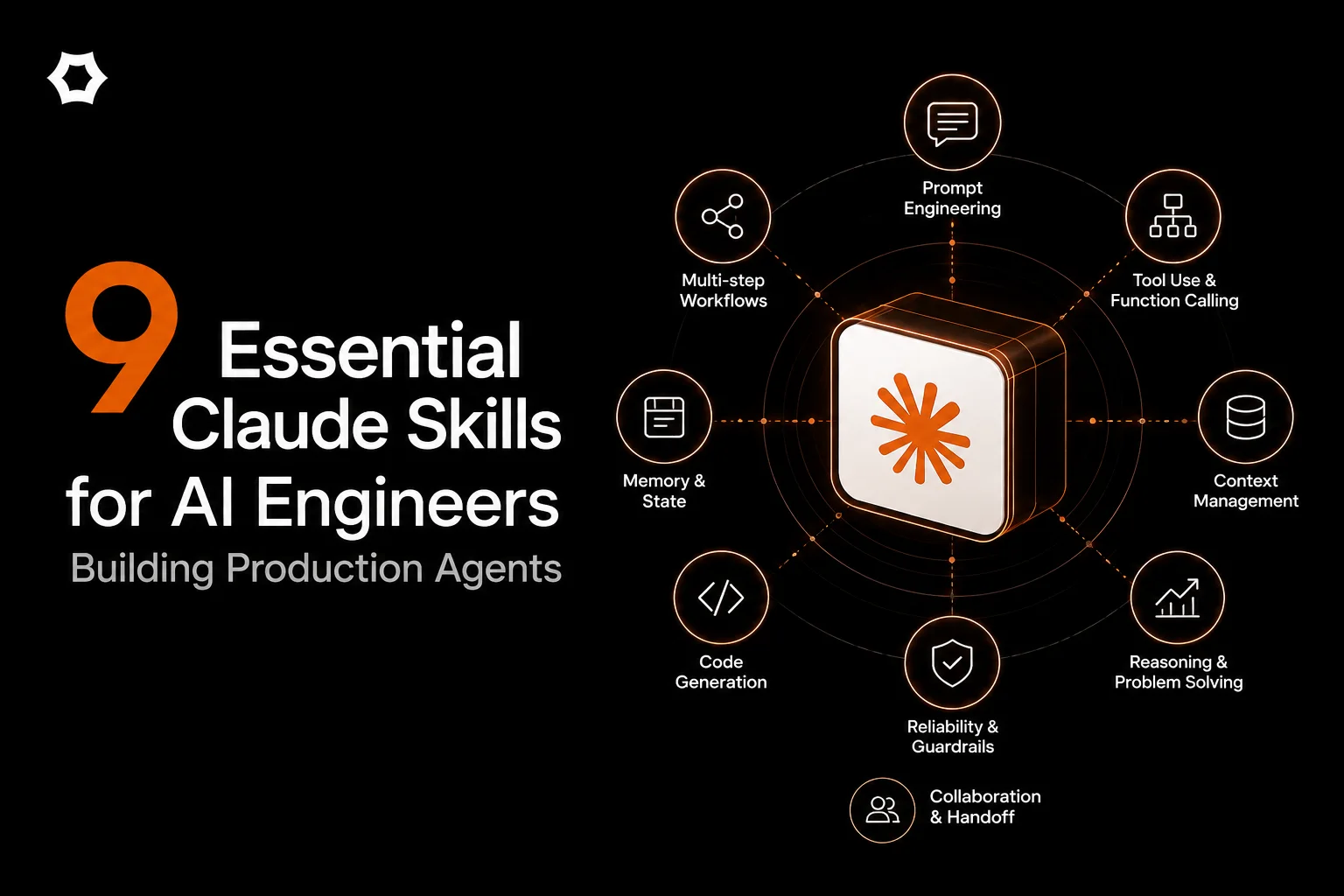
9 Essential Claude Skills for AI Engineers Building Production Agents + 1 Bonus Skill
Nine Claude skills for AI engineers building production agents, plus one bonus, re-checked on 29 October 2026: three February picks are gone and replaced, every install command is current, and Agent Skills now sits beside MCP at the Agentic AI Foundation.
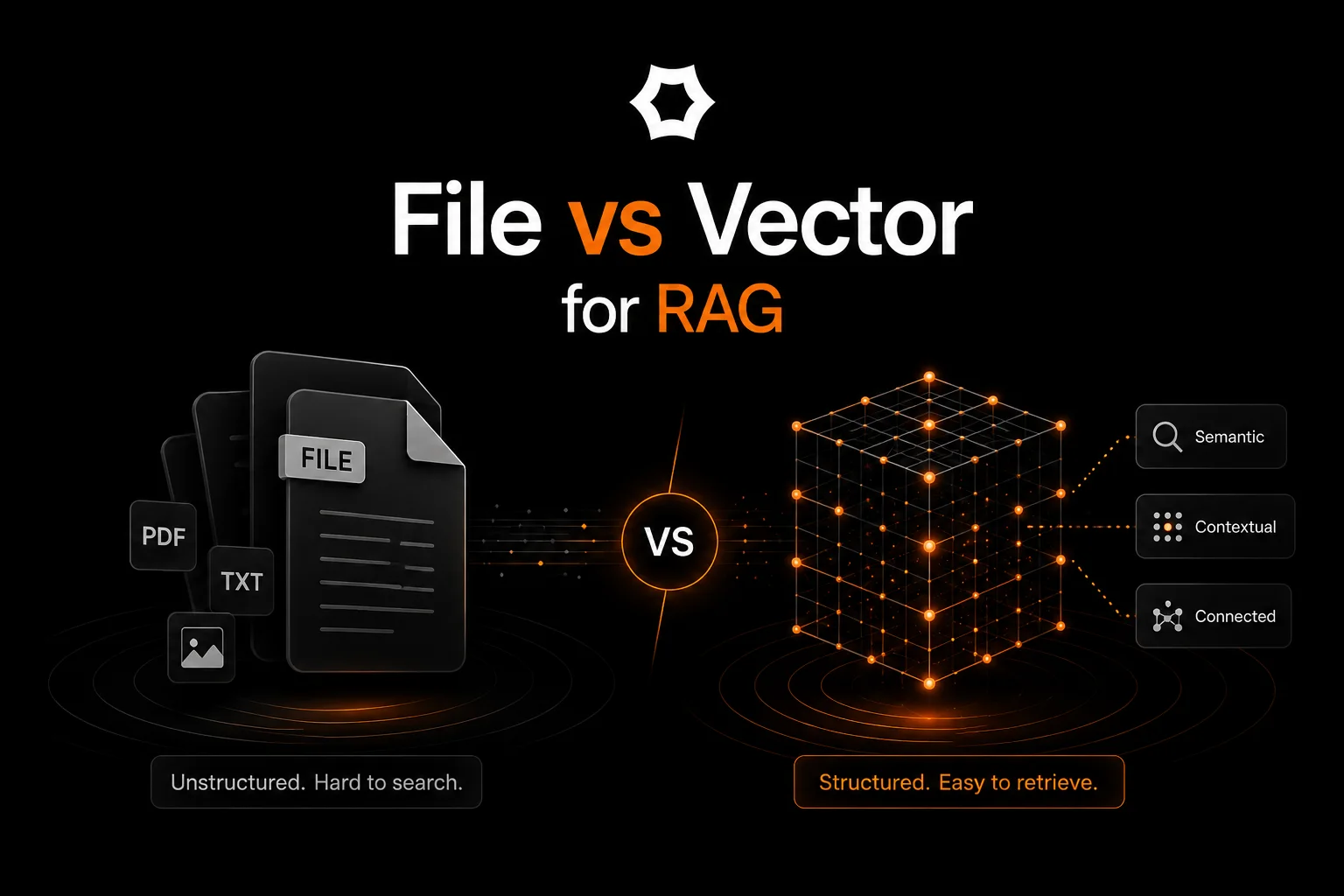
File Search vs Vector Search for RAG: 50,000 Documents, 5,000 Queries, Full Results
We ran exact-match keyword search against vector search across five datasets, 50,000 documents and 5,000 queries, scored by exact document ID with no LLM judge. Vector search wins on average, and the entire margin comes from one dataset.